|
Select Language |

|
|
Select Language |
|
Mental Illness Related to TeenageMental illness in teenagers is a growing concern that affects millions of adolescents worldwide. During this critical developmental period, young people face various pressures, including academic expectations, social dynamics, and the challenges of forming their identities. These factors can lead to an increased risk of mental health disorders, such as anxiety, depression, and eating disorders. Symptoms may manifest as changes in mood, behavior, or academic performance, often making it difficult for teens to seek help or communicate their struggles. The stigma surrounding mental health can exacerbate these issues, leading to isolation and worsening conditions. It is crucial to recognize the signs and provide early intervention to support the mental well-being of adolescents, fostering an environment where they feel safe to express their emotions and seek help. Agham's initiatives focus on addressing these pressing issues by promoting mental health awareness and providing essential resources for teenagers. Through educational programs, workshops, and support networks, Agham aims to empower young people with knowledge about mental health, encouraging them to seek help and support one another. These initiatives also work to dismantle the stigma associated with mental illness by fostering open conversations within schools and communities. By partnering with mental health professionals, Agham creates safe spaces where teenagers can share their experiences and access the resources they need. Ultimately, these efforts are designed to create a culture of understanding and support, helping teens navigate their mental health challenges and promoting resilience for a healthier future. | 
|
|
Depression - Major Depressive Disorder (MDD): Characterized by persistent feelings of sadness, hopelessness, and loss of interest in activities.
Depression in teenagers is a significant mental health issue that can profoundly impact their lives and the social environment around them. During adolescence, young people undergo various changes, both physically and emotionally, which can make them vulnerable to depressive disorders. Symptoms of depression—such as persistent sadness, withdrawal from social activities, changes in appetite, and difficulties in concentrating—can hinder a teenager’s ability to engage with peers, perform academically, and participate in family life. This withdrawal often leads to isolation, creating a cycle where the lack of social interaction exacerbates feelings of loneliness and despair. The effects of teenage depression extend beyond the individual, influencing the broader social environment. Friends and family may struggle to understand the behaviors exhibited by the depressed teenager, leading to frustration and strained relationships. As a result, social circles may become fragmented, with peers unsure of how to support their struggling friend. In schools, the impact can be equally profound, affecting group dynamics and overall classroom morale. Teachers and administrators may notice declines in attendance and participation, which can disrupt the learning environment. Creating supportive spaces where open discussions about mental health are encouraged can help mitigate these effects, fostering a community that is more understanding and responsive to the needs of adolescents experiencing depression. | 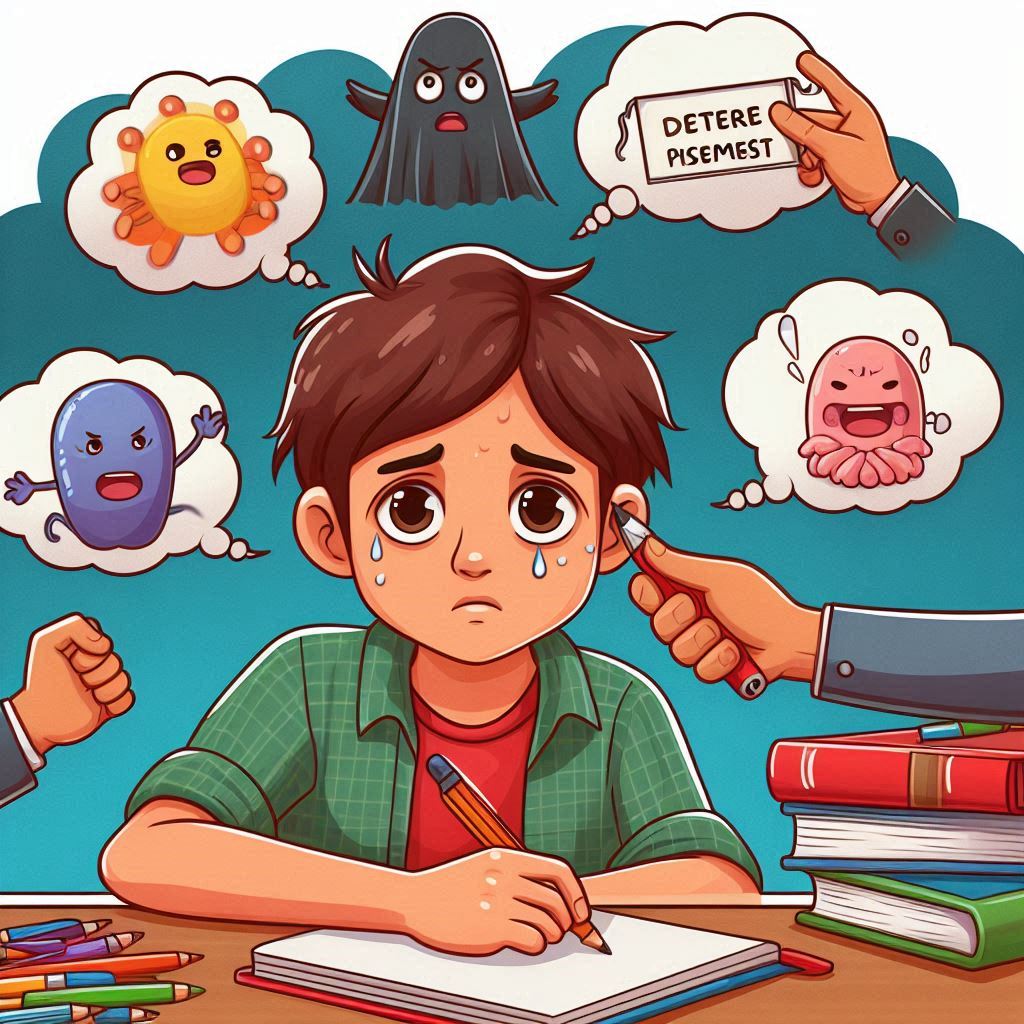
|
|
Anxiety Disorders- Generalized Anxiety Disorder (GAD): Excessive, uncontrollable worry about various aspects of life. Anxiety disorders are among the most prevalent mental health issues affecting teenagers today, impacting their emotional well-being and overall development. These disorders, which include generalized anxiety disorder, social anxiety disorder, and specific phobias, can manifest as overwhelming feelings of worry, fear, and unease. During adolescence, a critical period for social and emotional growth, these feelings can severely interfere with daily activities, leading to difficulties in school and strained relationships. Teens may experience physical symptoms such as increased heart rate and sweating, which can further heighten their sense of anxiety in social settings. As they grapple with self-esteem and identity issues, the pressure to conform to social norms can amplify their anxiety, making it challenging for them to engage with peers and participate in activities. The social environment for teenagers with anxiety disorders can be particularly challenging and often exacerbates their condition. Many anxious teens may withdraw from social interactions, fearing judgment or rejection, which can lead to feelings of loneliness and isolation. Their avoidance behaviors might be misinterpreted by peers as disinterest or arrogance, further alienating them from potential friendships. Additionally, the stigma surrounding mental health can create barriers to open communication, preventing anxious teens from seeking support from friends or adults. This lack of understanding can perpetuate a cycle of anxiety, as they struggle to develop the social skills necessary to navigate complex relationships. Ultimately, the interplay between anxiety and the social environment can hinder a teenager's ability to thrive during this crucial developmental stage, affecting their overall quality of life. | 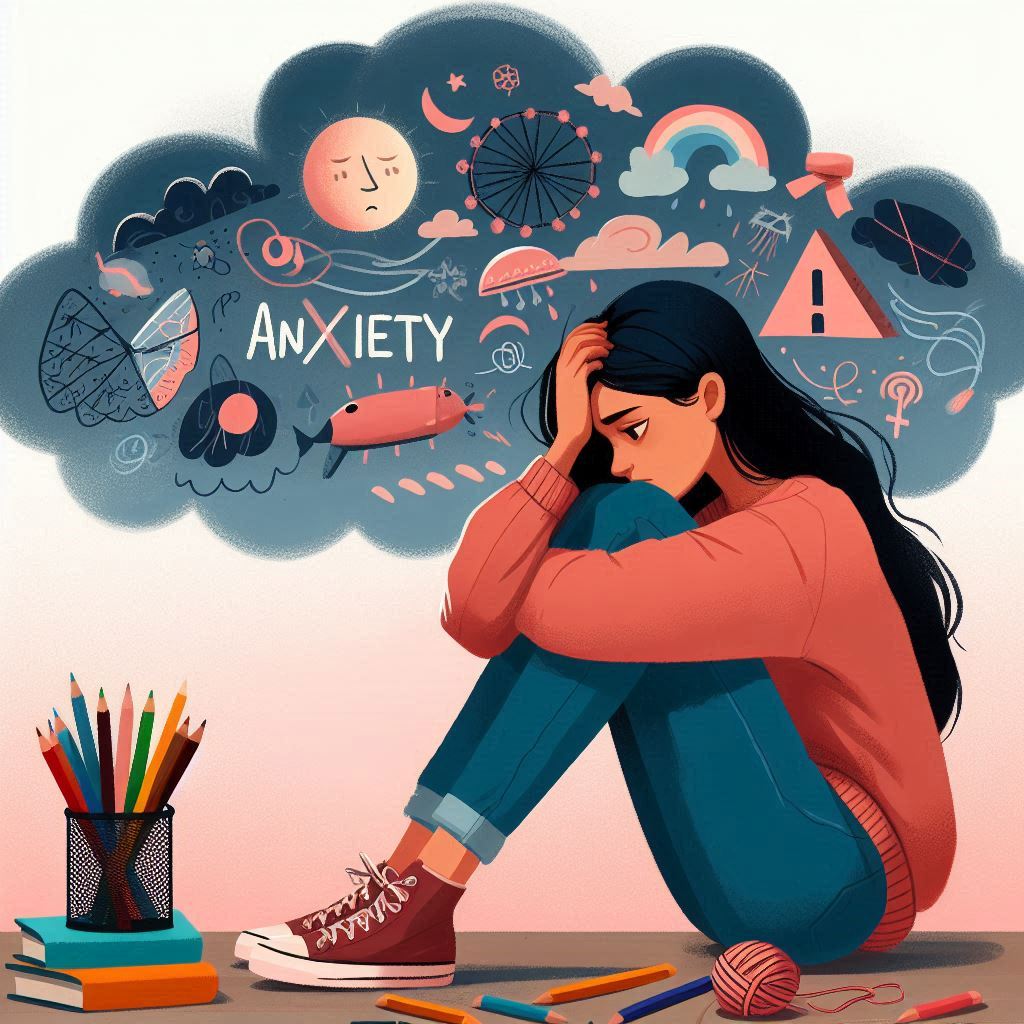
|
|
Attention-Deficit/Hyperactivity Disorder (ADHD)- Inattentive Type: Difficulty sustaining attention and following through on tasks. Attention-Deficit/Hyperactivity Disorder (ADHD) is a neurodevelopmental condition that significantly impacts teenagers, influencing their ability to focus, regulate their impulses, and maintain attention in various settings. During adolescence, these challenges can become particularly pronounced as teens face increasing academic demands and complex social interactions. Symptoms of ADHD, such as hyperactivity, impulsivity, and inattention, can lead to difficulties in completing schoolwork and participating in group activities. This often results in lower academic performance, which can affect a teen's self-esteem and motivation. As they struggle to meet societal expectations, these challenges can create feelings of frustration and inadequacy, making it harder for them to navigate the transition from childhood to adulthood. The social environment for teenagers with ADHD can be particularly tumultuous, as their behaviors may be misunderstood by peers and adults alike. Impulsivity and inattentiveness can lead to social mishaps, such as interrupting conversations or forgetting social cues, which can alienate them from their peer groups. Many teens with ADHD may find it difficult to forge lasting friendships or maintain positive relationships, leading to feelings of isolation and loneliness. Additionally, the stigma surrounding ADHD can result in negative labeling, further compounding their struggles with social acceptance. This social disconnect can hinder their ability to develop essential interpersonal skills and emotional resilience, ultimately impacting their overall well-being and development during this critical stage of life. | 
|
|
Bipolar Disorder- Bipolar I Disorder: Characterized by manic episodes that alternate with depressive episodes. Bipolar disorder is a serious mental health condition that can emerge during adolescence, characterized by extreme mood swings ranging from manic highs to depressive lows. In teenagers, these mood shifts can manifest as increased energy, impulsivity, and euphoria during manic episodes, contrasted with feelings of sadness, lethargy, and hopelessness during depressive episodes. The onset of bipolar disorder can disrupt a teen's ability to function effectively in school and at home, complicating their academic performance and daily responsibilities. This fluctuation in mood can also lead to impulsive decision-making, which might result in risky behaviors, strained family dynamics, and difficulties in managing routine life tasks. The social environment for teens with bipolar disorder can be particularly challenging, as their unpredictable moods can alienate peers and create misunderstandings. During manic phases, they may engage in overly exuberant behaviors that can be off-putting or alarming to friends, while depressive episodes can lead to withdrawal and isolation. This inconsistency can make it difficult for peers to relate to them, often resulting in social stigma and exclusion. Additionally, the lack of awareness about bipolar disorder can lead to misinterpretations of a teen's behavior, further exacerbating feelings of loneliness and frustration. As a result, adolescents with bipolar disorder may struggle to form and maintain friendships, impacting their overall social development and emotional well-being during this critical period of growth. | 
|
|
Eating Disorders- Anorexia Nervosa: Restrictive eating, intense fear of gaining weight, and distorted body image. Eating disorders, including anorexia nervosa, bulimia nervosa, and binge-eating disorder, often emerge during the teenage years, a critical time for identity formation and social interaction. Adolescents may develop unhealthy relationships with food and body image, driven by societal pressures, cultural norms, and personal insecurities. The intense desire to achieve an idealized body shape can lead to severe dietary restrictions, purging behaviors, or episodes of binge eating, which can have devastating physical and mental health consequences. As teenagers navigate peer influence and the quest for acceptance, their focus on body image can overshadow other essential aspects of their lives, including academic performance and emotional well-being. The impact of eating disorders on a teenager's social environment can be profound and multifaceted. Those struggling with these disorders may experience significant changes in behavior, such as withdrawal from social activities or avoidance of situations involving food, which can alienate them from their peers. Friends and family members might misinterpret these behaviors as disinterest or judgment, leading to misunderstandings and strained relationships. Additionally, the stigma surrounding eating disorders can create barriers to seeking help, as affected teens may fear being labeled or shamed. This isolation can perpetuate the cycle of the disorder, making it increasingly difficult for them to build supportive social networks, ultimately affecting their overall emotional health and development during this formative stage of life. | 
|
|
Obsessive-Compulsive Disorder (OCD)- Obsessions: Persistent, intrusive thoughts or urges. Obsessive-Compulsive Disorder (OCD) is a chronic mental health condition that often manifests during adolescence, characterized by intrusive thoughts (obsessions) and repetitive behaviors (compulsions) aimed at reducing anxiety. For teenagers, these obsessions can involve fears of contamination, harm, or the need for order, while compulsions may include excessive handwashing, checking, or counting rituals. The impact of OCD can be profound, interfering with daily routines, academic performance, and overall quality of life. As adolescents grapple with these compulsions, they may feel trapped in a cycle of anxiety and relief, which can complicate their ability to engage in normal teenage activities and relationships. The social environment for teens with OCD can be particularly challenging, as the disorder often leads to significant misunderstandings and social isolation. Peers may not understand the compulsive behaviors or the intense anxiety that drives them, leading to potential ridicule or exclusion. This can result in feelings of shame and embarrassment, prompting affected teens to withdraw from social situations, further exacerbating their isolation. Additionally, the time-consuming nature of rituals may interfere with participation in school activities, sports, or social gatherings, creating a barrier to forming and maintaining friendships. The stigma associated with mental health issues can make it even more difficult for these teens to seek help and support, ultimately hindering their emotional development and well-being during this crucial stage of their lives. | 
|
|
Post-Traumatic Stress Disorder (PTSD)- Trauma Reactions: Symptoms such as flashbacks, nightmares, and severe anxiety following exposure to traumatic events. Post-Traumatic Stress Disorder (PTSD) can develop in teenagers following exposure to traumatic events, such as accidents, violence, or natural disasters. In adolescents, PTSD manifests through symptoms like intrusive memories, flashbacks, heightened anxiety, and emotional numbness. These symptoms can significantly disrupt a teen's daily life, affecting their ability to focus in school and engage in activities they once enjoyed. As they struggle to cope with their trauma, feelings of fear and helplessness may persist, making it difficult for them to process their experiences and seek support from those around them. The emotional turmoil associated with PTSD can complicate their journey toward recovery, as they grapple with both the aftermath of the trauma and the challenges of adolescence. The social environment for teens with PTSD can be particularly strained, as their behaviors and emotional responses may alienate them from peers. Many adolescents may withdraw from social activities, fearing judgment or misunderstanding, which can lead to feelings of isolation and loneliness. Friends might struggle to comprehend the changes in behavior, interpreting them as moodiness or disinterest rather than a response to trauma. Additionally, the stigma surrounding mental health can create barriers to open communication, preventing affected teens from discussing their experiences or seeking help. This isolation can hinder the development of supportive relationships, making it even more challenging for them to navigate the complexities of social interactions during this critical period of growth and development. As a result, the lingering effects of PTSD can have a profound impact on a teenager's emotional well-being and social connections. | 
|
|
Schizophrenia- Symptoms: Includes hallucinations, delusions, disorganized thinking, and impaired functioning. Schizophrenia is a severe mental disorder that often begins in late adolescence or early adulthood, making the teenage years a critical period for its onset. During this developmental stage, individuals may experience a range of symptoms, including hallucinations, delusions, and disorganized thinking, which can significantly disrupt their everyday lives. The emergence of these symptoms can be particularly challenging as teenagers are navigating critical transitions, such as forming identities, establishing friendships, and achieving academic success. The unpredictable nature of schizophrenia can lead to confusion and fear, both for the affected individuals and their families. As teenagers grapple with the realities of their condition, they may face difficulties in expressing their thoughts and emotions, leading to heightened feelings of loneliness and frustration. The impact of schizophrenia extends beyond the individual, profoundly affecting their social environment. Peer relationships often suffer, as the symptoms can lead to withdrawal or behavior that peers may not understand, resulting in isolation and potential bullying. This social withdrawal can create a cycle of loneliness and exacerbate feelings of alienation. Family dynamics also shift; parents and siblings may struggle to cope with the demands of the illness, leading to stress and misunderstanding within the household. Academic performance may decline, further limiting social interactions and increasing the risk of dropping out of school. Support from peers, family, and mental health professionals is crucial for helping teenagers manage their symptoms and maintain connections, fostering a more inclusive environment that encourages understanding and empathy. | 
|
|
Conduct Disorder- Behavioral Issues: Persistent patterns of aggressive, antisocial behavior, and rule-breaking. Conduct Disorder (CD) is a serious behavioral condition that typically emerges during childhood or adolescence, characterized by a persistent pattern of violating societal norms and the rights of others. In teenagers, this disorder can manifest as aggressive behaviors, deceitfulness, theft, and severe rule-breaking, often leading to significant disruptions in their daily lives. The teenage years are critical for developing social skills and establishing relationships, and those with Conduct Disorder may struggle to form healthy connections with peers and authority figures. Their impulsive and often defiant behavior can lead to conflicts in various settings, including home, school, and community. Understanding the underlying issues contributing to these behaviors, such as trauma or environmental stressors, is essential for effective intervention and support. The effects of PTSD in children extend beyond the individual, significantly influencing their social environment. Children with PTSD may find it challenging to form and maintain friendships, often withdrawing from social interactions due to fear or anxiety. This isolation can exacerbate feelings of loneliness and lead to further emotional distress. Additionally, their erratic behaviors and emotional responses may create misunderstandings among peers and caregivers, resulting in strained relationships. In educational settings, teachers and classmates may struggle to understand the child’s behavior, leading to stigma and exclusion. Thus, addressing the social ramifications of PTSD is essential for fostering supportive environments that promote healing and social reintegration for affected children. | 
|
|
Oppositional Defiant Disorder (ODD)- Defiant Behavior: Pattern of angry, irritable mood and argumentative or vindictive behavior toward authority figures. Oppositional Defiant Disorder (ODD) is a behavioral condition commonly diagnosed in childhood and adolescence, characterized by a pattern of angry, irritable mood, argumentative behavior, and defiance toward authority figures. In teenagers, ODD can manifest through frequent temper outbursts, refusal to comply with rules, and an overall tendency to challenge and provoke those in positions of authority. This period of development is crucial for establishing independence and identity, and for teens with ODD, these behaviors can create significant challenges in navigating social situations. The frustration stemming from their inability to adhere to social norms may lead to increased conflict with peers and adults, affecting their self-esteem and ability to build healthy relationships. The social ramifications of Oppositional Defiant Disorder can be extensive, impacting not just the individual but also their family and broader social environment. Teens with ODD often face difficulties in maintaining friendships, as their argumentative nature and tendency to provoke can alienate peers and create social isolation. This can further exacerbate feelings of frustration and resentment, leading to a cycle of negative interactions. Families may experience heightened stress and conflict, as parents struggle to manage their child's behavior while also facing the stigma associated with mental health issues. Additionally, academic performance may decline due to conflicts with teachers and school staff, which can limit opportunities for positive social engagement. Early intervention, including behavioral therapy and family support, is essential in helping teens with ODD develop more constructive coping strategies, improve their relationships, and foster a more supportive social environment. | 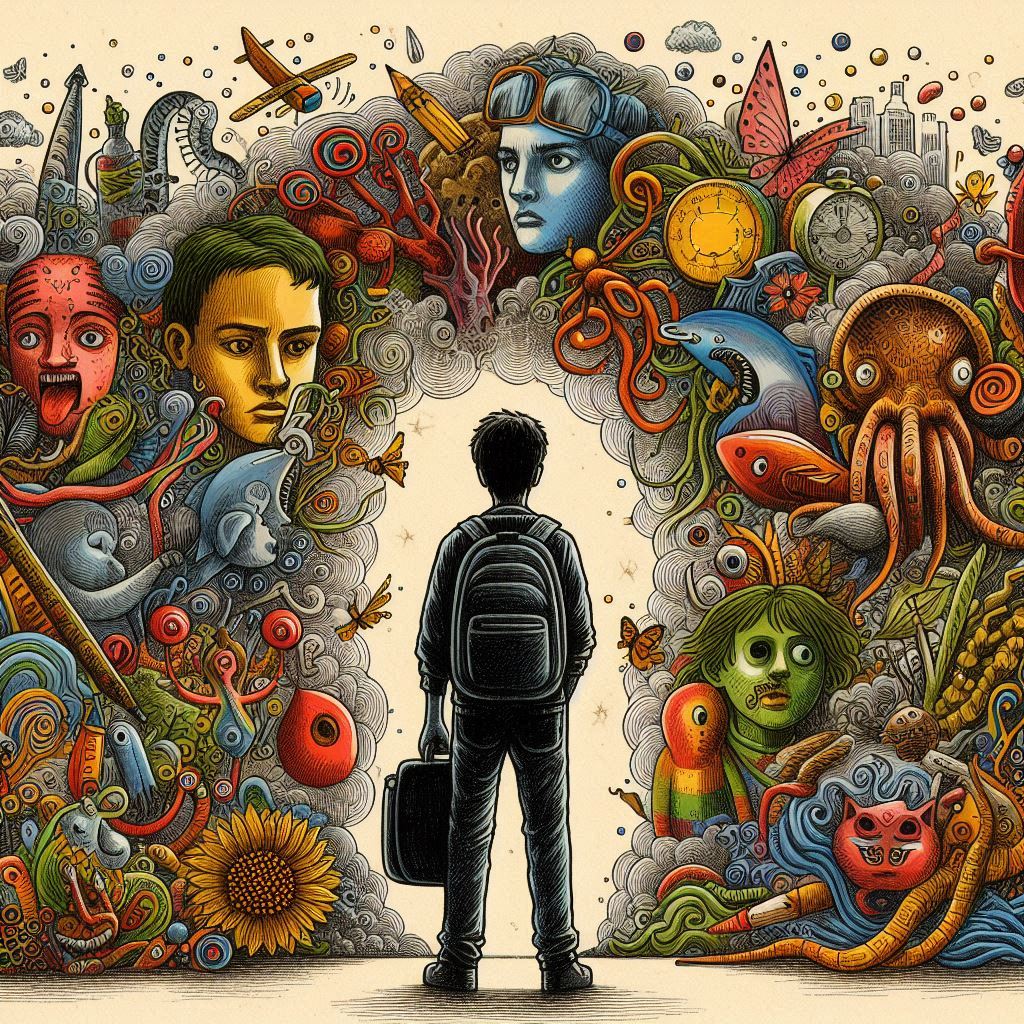
|
|
Self-Harm and Suicidal Behavior - Non-Suicidal Self-Injury (NSSI): Deliberate harm to oneself without suicidal intent. Self-harm and suicidal behavior among teenagers represent critical mental health issues that require urgent attention. During adolescence, individuals face immense emotional and social pressures, often leading to feelings of isolation, despair, and hopelessness. For some teens, self-harm—such as cutting or burning—emerges as a coping mechanism to manage overwhelming emotions or trauma. While these actions may provide temporary relief, they can also indicate deeper psychological struggles, such as depression or anxiety. It’s essential to recognize that self-harm does not always correlate with a desire to die; instead, it may reflect an inability to communicate feelings effectively. As mental health awareness grows, understanding these behaviors becomes increasingly important for supporting adolescents in distress. The repercussions of self-harm and suicidal behaviors extend beyond the individual, profoundly impacting their social environment. Friends and family may experience confusion and fear, struggling to comprehend why their loved one is engaging in such harmful actions. This often leads to strained relationships, as peers may distance themselves or react with judgment, leaving the affected teen feeling more isolated. Families might experience heightened tension and worry, which can exacerbate existing conflicts and stress. In school settings, educators may face challenges in addressing the needs of students who exhibit these behaviors, potentially leading to increased absenteeism and a decline in academic performance. Creating a supportive and open environment where teens feel safe to discuss their struggles is vital. Early intervention and access to mental health resources can foster understanding, empathy, and healing, helping teens navigate these challenging emotions more effectively. | 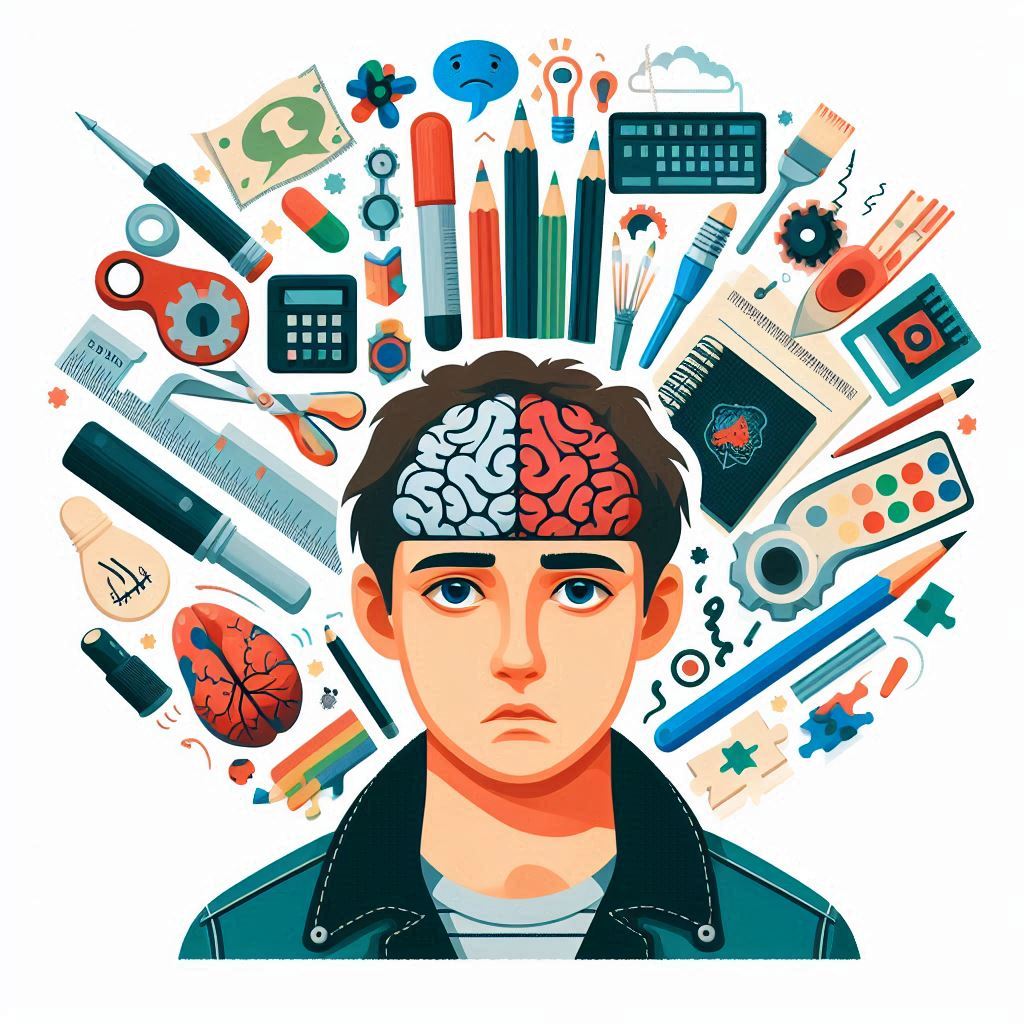
|
|
Substance Use Disorders- Addiction and Abuse: Involves the problematic use of alcohol, drugs, or other substances. Substance use disorders (SUD) among teenagers are significant public health concerns that often emerge during a critical period of development. Adolescence is a time when young people may experiment with various substances, including alcohol, marijuana, and prescription drugs, often influenced by peer pressure, social norms, and a desire for acceptance. The brain is still developing during this stage, making adolescents particularly vulnerable to the effects of substances, which can lead to both immediate and long-term consequences. Early onset of substance use can interfere with cognitive development, academic performance, and emotional regulation, increasing the risk of developing more severe addiction issues later in life. Understanding the factors that contribute to substance use in teenagers is essential for prevention and intervention strategies. The impact of substance use disorders extends far beyond the individual, significantly affecting the social environment. Relationships with family and friends can become strained as substance use often leads to changes in behavior, withdrawal, and a breakdown of trust. Teens with SUD may engage in risky behaviors, such as theft or lying, to support their habits, further alienating themselves from peers and loved ones. Families may experience heightened stress and conflict, leading to emotional turmoil and a sense of helplessness. Additionally, academic performance often declines, which can limit opportunities for social interaction and future prospects. In school environments, teachers and administrators may face challenges in supporting students with SUD, impacting the overall school climate. Early intervention, education, and support systems are crucial for helping teens navigate these challenges and fostering a more understanding and empathetic social environment. | 
|
|
Personality Disorders- Emerging Symptoms: Some personality disorders, like Borderline Personality Disorder (BPD), may begin to emerge in late adolescence. Personality disorders in teenagers are complex mental health conditions that can significantly influence their thoughts, emotions, and behaviors. These disorders typically manifest during adolescence, a formative period when individuals are developing their identities and social skills. Common personality disorders in this age group include borderline, antisocial, and narcissistic personality disorders. Teens with these disorders often struggle with unstable relationships, intense emotions, and maladaptive coping strategies, which can lead to conflicts with peers and family. The rigid patterns of behavior associated with personality disorders can hinder a teen's ability to adapt to changing social situations, making it challenging for them to establish healthy connections and navigate the complexities of adolescence. The social ramifications of personality disorders can be profound, affecting both the individual and their surrounding environment. Adolescents with these disorders may experience significant difficulties in forming and maintaining friendships, as their behaviors can be perceived as erratic or untrustworthy by peers. This can result in social isolation, stigma, and a heightened risk of bullying or rejection. Family relationships may also suffer, as parents and siblings may struggle to understand and cope with the challenging behaviors associated with these disorders. Additionally, academic performance may decline due to social disruptions, leading to further isolation and a sense of inadequacy. Creating a supportive atmosphere that fosters open communication and understanding is vital for helping teenagers with personality disorders navigate their challenges and improve their social interactions. Early intervention through therapy and support can facilitate healthier relationships and promote emotional well-being. | 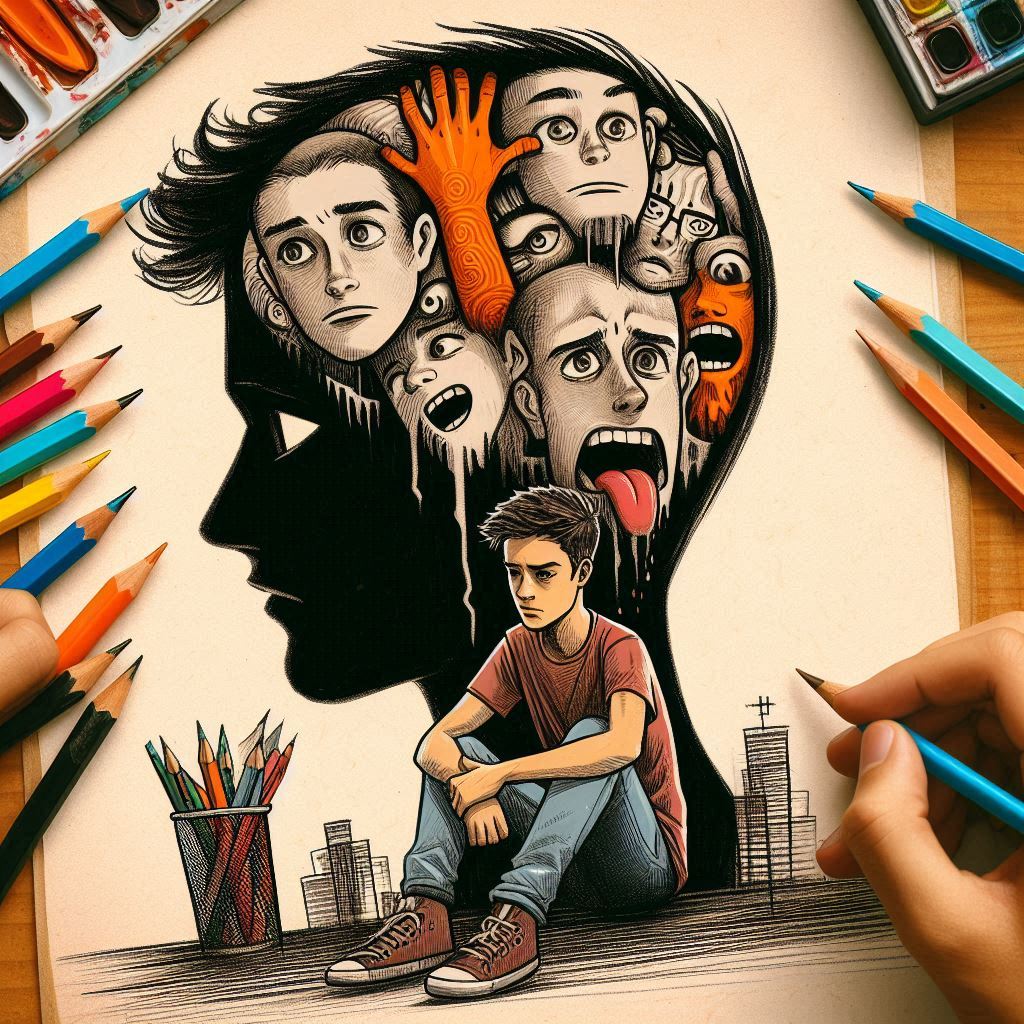
|
|
Agham initiatesAgham Initiatives is a pioneering program focused on addressing mental health challenges among teenagers, particularly those with mental illnesses that emerge during this critical developmental stage. Recognizing that adolescence is a time of significant emotional and psychological change, Agham Initiatives aims to provide comprehensive support tailored to the unique needs of young individuals. The program emphasizes early intervention, offering a range of therapeutic services designed to help teens navigate issues such as anxiety, depression, and behavioral disorders. By fostering a safe and supportive environment, Agham Initiatives encourages open communication and self-expression, which are essential for healing. Central to the mission of Agham Initiatives is the belief that mental health education is crucial for reducing stigma and promoting awareness. The program actively engages with schools, families, and communities to create a broader understanding of mental health issues, encouraging acceptance and empathy. Workshops, support groups, and educational resources are provided to equip teens and their families with the tools they need to manage mental health challenges effectively. Additionally, Agham Initiatives incorporates evidence-based practices and holistic approaches, such as mindfulness and art therapy, to facilitate emotional expression and personal growth. By focusing on rehabilitation and recovery, the initiative aims not only to alleviate symptoms but also to empower teenagers, fostering resilience and helping them develop the skills necessary for long-term mental well-being. This comprehensive approach positions Agham Initiatives as a vital resource for teenagers struggling with mental illness, ultimately contributing to healthier individuals and communities. | 
|
|
"There is no health without mental health." |
இது தமிழ் அறிமுகம். இங்கே நீங்கள் தமிழ் மொழியில் பின்னணி தகவல்களை வழங்கலாம்.
இங்கே சில சிறப்பம்சங்களை தமிழ் மொழியில் விளக்கப்பட்டுள்ளது.
தமிழ் மொழியில் எங்களை தொடர்பு கொள்ளும் விதம்.