|
Select Language |

|
|
Select Language |
|
Mental Illness Related to WomenMental illnesses in women are often shaped by a complex interplay of biological, psychological, and social factors. Conditions such as depression, anxiety, and eating disorders are prevalent, frequently exacerbated by societal pressures and gender-based stigma. Women may experience unique stressors, such as caregiving responsibilities and experiences of trauma, which can contribute to mental health challenges. Additionally, hormonal changes throughout life stages, including menstruation, pregnancy, and menopause, can impact mental well-being. Despite the high prevalence of these issues, many women face barriers to seeking help, including fear of judgment and lack of access to resources. Agham is committed to addressing these challenges by providing education and support tailored specifically for women. Through workshops, counseling, and community outreach, Agham empowers women to understand their mental health and recognize the signs of illness. By fostering open discussions and creating safe spaces, Agham encourages women to share their experiences and seek help without stigma. The organization also offers resources that promote coping strategies and self-care practices, helping women build resilience. With a focus on holistic well-being, Agham aims to create a supportive network that inspires women to prioritize their mental health and take proactive steps toward recovery. | 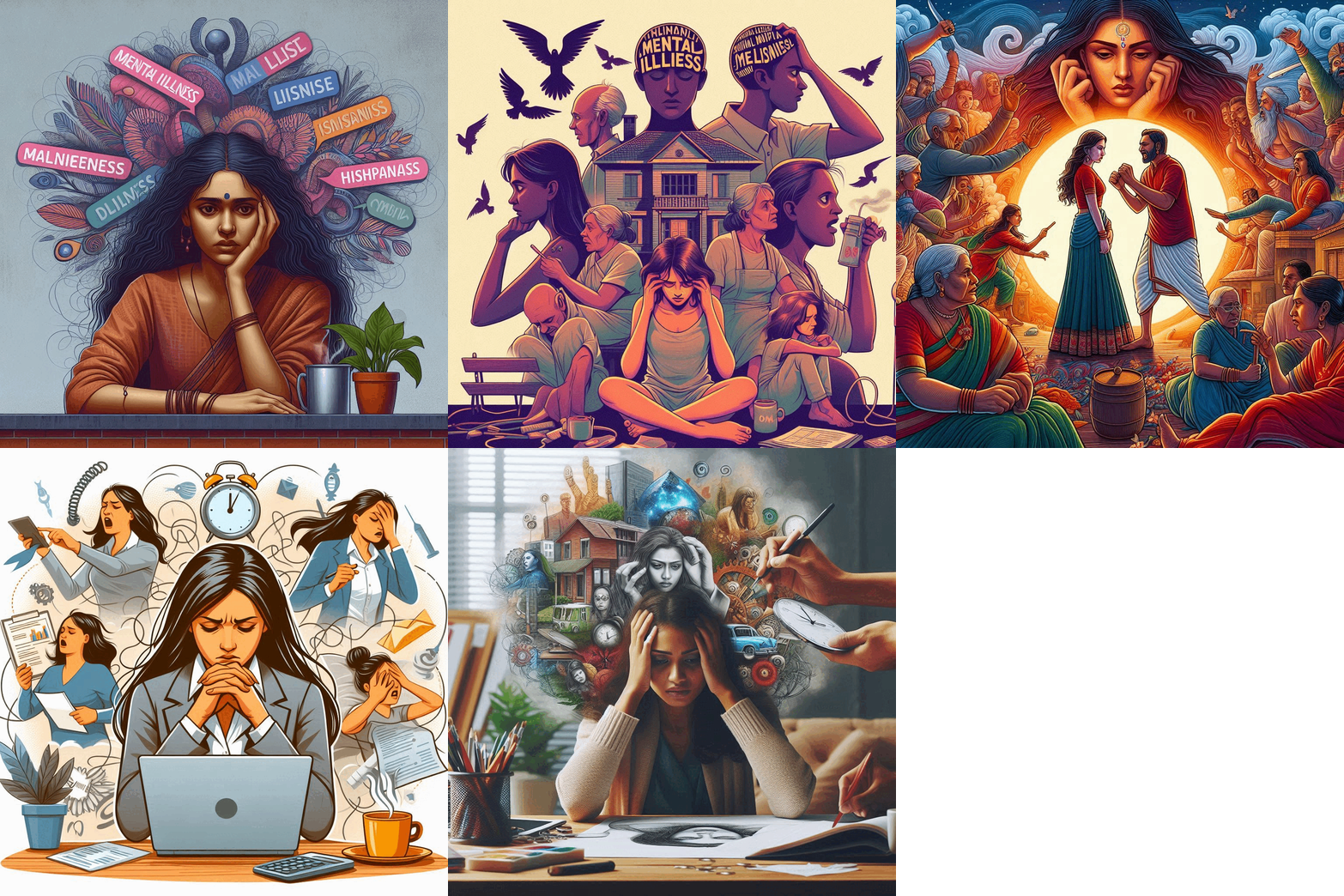
|
|
DepressionWomen are statistically more likely to experience depression than men, with symptoms including persistent sadness, changes in appetite or sleep, and loss of interest in activities. Depression in women is a prevalent mental health issue that significantly impacts their overall well-being. Studies show that women are more likely than men to experience depression, often due to a combination of biological, hormonal, and psychosocial factors. Hormonal fluctuations during menstruation, pregnancy, and menopause can contribute to mood disorders, while societal pressures and expectations may exacerbate feelings of inadequacy and helplessness. Additionally, women are more likely to experience trauma, such as abuse or discrimination, which can trigger depressive episodes. The interplay of these factors creates a unique landscape of mental health challenges that women face, making it crucial to recognize and address their specific needs in treatment and support. The effects of depression extend beyond the individual, influencing the broader social environment. Women with depression may struggle with daily activities, impacting their relationships with family, friends, and colleagues. This strain can lead to social withdrawal, reduced participation in community activities, and difficulties in maintaining work-life balance, further isolating them. In families, the emotional burden of a mother's depression can affect children's development and mental health, perpetuating a cycle of emotional distress. Additionally, communities may experience a ripple effect, as women’s depression can hinder social cohesion and productivity. Addressing these challenges requires a comprehensive approach that not only focuses on individual treatment but also promotes supportive environments and reduces stigma surrounding mental health issues. |
|
|
Anxiety DisordersThis includes Generalized Anxiety Disorder (GAD), Panic Disorder, Social Anxiety Disorder, and specific phobias. Women are often more affected by these conditions. Anxiety disorders are among the most common mental health issues affecting women, often manifesting as excessive worry, fear, and unease. Women are statistically more likely than men to experience conditions such as generalized anxiety disorder, panic disorder, and specific phobias. Factors contributing to this disparity include biological influences, such as hormonal changes, as well as societal pressures that can create heightened stress levels. Women often juggle multiple roles—such as caregivers, professionals, and community members—leading to increased vulnerability to anxiety. The stigma surrounding mental health can further complicate their experiences, causing many to suffer in silence rather than seeking help. Understanding the unique manifestations of anxiety in women is crucial for developing effective treatment strategies and providing appropriate support. The social environment is significantly affected by anxiety disorders in women, as these conditions can hinder interpersonal relationships and community involvement. Women struggling with anxiety may find it difficult to engage in social situations, leading to isolation and diminished quality of life. This withdrawal can impact families, as anxious behaviors may strain relationships with partners and children, causing misunderstandings and emotional distance. In the workplace, anxiety can lead to decreased productivity, absenteeism, and difficulties in teamwork, which can affect overall morale and organizational success. Additionally, communities may lose valuable contributions from women who are unable to participate fully due to their anxiety. Addressing the societal implications of anxiety disorders requires fostering supportive environments that encourage open discussions about mental health and provide accessible resources for those in need. |
|
|
Bipolar DisorderCharacterized by mood swings between manic and depressive episodes. Women may experience more rapid cycling in their mood changes. Bipolar disorder is a complex mental health condition that affects women at significant rates, often presenting unique challenges. Characterized by extreme mood swings that include episodes of mania and depression, bipolar disorder can disrupt daily functioning and quality of life. Women typically experience a more rapid cycling of mood episodes and may face additional challenges related to hormonal changes, particularly during menstruation, pregnancy, and menopause. The stigma associated with mental illness can further complicate the lives of women with bipolar disorder, leading to feelings of isolation and a reluctance to seek help. Effective management often requires a combination of medication, therapy, and support from loved ones, emphasizing the importance of understanding this condition from a gender-sensitive perspective. The impact of bipolar disorder extends beyond the individual, significantly affecting the social environment. Women with bipolar disorder may struggle to maintain relationships, as their unpredictable moods can create tension and misunderstandings with family and friends. This instability can lead to social withdrawal, limiting their participation in community activities and support networks. In the workplace, the effects of bipolar disorder can result in inconsistent performance and attendance, which can strain professional relationships and hinder career advancement. Additionally, families may experience emotional turmoil as they navigate the challenges of supporting a loved one with bipolar disorder, creating a ripple effect of stress and anxiety. To foster a more inclusive and understanding environment, it is crucial to promote awareness of bipolar disorder and its implications, encouraging empathy and support for those affected. |
|
|
SchizophreniaAlthough schizophrenia affects both men and women, it often presents later in women and can have different symptom patterns Schizophrenia is a severe mental health disorder that affects women and men alike, but its presentation and impact can vary significantly between genders. Women typically experience schizophrenia later in life compared to men, often showing a more favorable course of the illness with fewer negative symptoms. Hormonal influences, particularly those related to menstruation and childbirth, may play a role in the onset and progression of the disorder. Despite these factors, women with schizophrenia often face considerable stigma and misunderstanding, which can hinder their access to effective treatment and support. Early intervention and comprehensive care are essential to help manage symptoms and improve the quality of life for women living with this condition. The social environment is profoundly affected by the presence of schizophrenia in women, as the disorder can disrupt relationships and community engagement. Women may find it challenging to maintain personal relationships due to the stigma associated with mental illness, leading to social isolation and loneliness. This withdrawal can affect family dynamics, creating additional emotional burdens for loved ones who may feel helpless or unsure of how to provide support. In the workplace, schizophrenia can hinder job performance and stability, resulting in unemployment or underemployment, which can exacerbate financial stress and contribute to a cycle of dependency. Communities may also feel the impact, as women with schizophrenia often struggle to participate fully in social and cultural activities. To foster a more inclusive society, it is vital to raise awareness about schizophrenia, challenge stigma, and promote supportive networks for those affected. |
|
|
Obsessive-Compulsive Disorder (OCD)Involves unwanted repetitive thoughts (obsessions) and behaviors (compulsions). Obsessive-Compulsive Disorder (OCD) is a prevalent mental health condition that significantly affects women, often manifesting in intrusive thoughts and compulsive behaviors. Women are commonly diagnosed with OCD during adolescence or early adulthood, and they may experience a range of obsessions—such as fears of contamination or harming others—and compulsions, like excessive cleaning or checking rituals. The disorder can be particularly debilitating, as it interferes with daily functioning and can lead to heightened anxiety and distress. Women may also face unique challenges, such as balancing OCD symptoms with societal roles and expectations, which can exacerbate feelings of inadequacy. Early intervention, including therapy and medication, is crucial for managing OCD effectively and improving the overall quality of life for affected individuals. The social environment is significantly impacted by OCD in women, as the disorder can lead to strained relationships and reduced participation in community activities. Women may withdraw from social interactions to avoid situations that trigger their obsessions, leading to isolation and loneliness. This withdrawal can affect family dynamics, creating emotional stress for loved ones who may struggle to understand the compulsive behaviors. In professional settings, OCD can disrupt productivity and hinder career advancement, as time-consuming rituals and intrusive thoughts can interfere with work responsibilities. Furthermore, the stigma associated with mental health conditions may prevent women from seeking help or sharing their experiences, perpetuating a cycle of shame and misunderstanding. Addressing these challenges requires a supportive approach that fosters open discussions about OCD and emphasizes the importance of community awareness and empathy. |
|
|
Post-Traumatic Stress Disorder (PTSD)Women are more likely to experience PTSD, often related to experiences of trauma such as sexual assault or domestic violence Post-Traumatic Stress Disorder (PTSD) is a mental health condition that can occur after experiencing or witnessing a traumatic event. While PTSD can affect anyone, research indicates that women are disproportionately impacted by this disorder, often due to higher rates of exposure to certain types of trauma, such as sexual assault, domestic violence, and childhood abuse. The symptoms of PTSD include intrusive memories, avoidance behaviors, negative changes in mood and cognition, and heightened arousal, which can significantly impair daily functioning. For many women, the psychological aftermath of trauma does not only manifest in isolation; it can intertwine with pre-existing vulnerabilities such as societal expectations, mental health stigma, and the challenges of caregiving roles, thereby exacerbating the effects of the disorder. The social environment plays a crucial role in shaping the experiences of women with PTSD. Support systems, including family, friends, and community resources, can either mitigate or exacerbate the symptoms. In a supportive environment, women may find it easier to seek help and engage in therapeutic practices, leading to better outcomes. Conversely, a lack of understanding or stigma surrounding mental health issues can lead to isolation, further complicating their recovery. Additionally, women may face unique societal pressures that discourage them from expressing vulnerability or seeking help, fearing judgment or misunderstanding. This dynamic can lead to a cycle of withdrawal and social disengagement, reinforcing feelings of shame and inadequacy. Ultimately, addressing PTSD in women requires not only effective therapeutic interventions but also a shift in societal attitudes to foster understanding and support within their social environments. |
|
|
Eating DisordersSuch as Anorexia Nervosa, Bulimia Nervosa, and Binge-Eating Disorder, which are more common in women but can also affect men. Eating disorders, including anorexia nervosa, bulimia nervosa, and binge eating disorder, are complex mental health conditions that disproportionately affect women. Various factors contribute to the prevalence of these disorders, including societal pressures to conform to unrealistic beauty standards, cultural norms surrounding body image, and personal histories of trauma or psychological distress. Women often face significant external and internalized pressures to attain an idealized physique, leading to disordered eating behaviors as a means of coping or achieving perceived social acceptance. The consequences of these disorders are severe, affecting not only physical health but also emotional well-being, often resulting in a cycle of anxiety, depression, and social withdrawal. The social environment plays a pivotal role in the development and perpetuation of eating disorders among women. In communities where appearance is heavily emphasized, women may experience heightened anxiety related to body image, which can lead to competitive behaviors and social comparison. These dynamics can create a toxic atmosphere where individuals feel pressured to conform to certain ideals, further isolating those struggling with eating disorders. Additionally, lack of understanding and stigma surrounding mental health can prevent women from seeking help, leading to further alienation. Conversely, supportive social networks can facilitate recovery by providing empathy and understanding, encouraging open dialogue about body image and mental health. Therefore, addressing eating disorders in women necessitates not only effective treatment options but also a cultural shift towards body positivity and acceptance, fostering environments where all individuals feel valued and understood regardless of their appearance. |
|
|
Personality DisordersIncludes Borderline Personality Disorder (BPD), Antisocial Personality Disorder (ASPD), and Narcissistic Personality Disorder (NPD), among others Personality disorders in men are characterized by enduring patterns of thought, behavior, and emotional regulation that deviate significantly from cultural expectations. These disorders, such as antisocial personality disorder, borderline personality disorder, and narcissistic personality disorder, can severely impair interpersonal relationships and social functioning. Men may exhibit traits like impulsivity, emotional instability, or a lack of empathy, which can lead to difficulties in forming and maintaining healthy relationships. Societal norms often pressure men to display strength and assertiveness, sometimes exacerbating their symptoms and complicating their interactions. The stigma surrounding mental health can also discourage men from seeking help, perpetuating the challenges they face. As a result, their struggles often go unrecognized, leading to increased feelings of frustration and isolation. The social environment of men with personality disorders is frequently marked by conflict and misunderstanding. Their behavioral patterns can alienate friends, family, and colleagues, leading to strained relationships and frequent social rejection. For instance, impulsivity may cause them to engage in reckless behaviors that disrupt social harmony, while emotional volatility can result in intense arguments or withdrawal. These dynamics create an unstable social atmosphere, often leaving loved ones feeling confused or helpless. Additionally, men may find it challenging to hold steady employment, which can further isolate them and contribute to financial stress. Over time, the cumulative effects of these interpersonal difficulties can foster a sense of loneliness and despair, reinforcing the cycle of maladaptive behavior and diminishing their overall quality of life. |
|
|
Borderline Personality Disorder (BPD)Often diagnosed more frequently in women, characterized by unstable moods, relationships, and self-image. Borderline Personality Disorder (BPD) is a complex mental health condition characterized by intense emotional instability, impulsive behaviors, and difficulties in interpersonal relationships. Women are disproportionately diagnosed with BPD, with research suggesting that they represent a significant majority of those affected. The symptoms often include a profound fear of abandonment, identity disturbances, and chronic feelings of emptiness, which can complicate their ability to form and maintain stable relationships. For many women, the emotional turbulence associated with BPD can lead to self-harming behaviors and suicidal ideation, which not only impact their personal well-being but also place a strain on their social networks. The interplay of societal expectations and gender roles can further complicate the experience of BPD in women, as they may feel pressured to conform to idealized standards of emotional resilience and nurturing behavior. The social environment can significantly influence the experience of PMDD, both positively and negatively. In supportive settings, open communication about menstrual health can foster understanding and acceptance, helping women feel less isolated during episodes of PMDD. However, societal stigma and lack of awareness often lead to misunderstanding and trivialization of the disorder, which can further exacerbate feelings of shame and inadequacy. Friends, family members, and colleagues may misinterpret the emotional volatility associated with PMDD as mere moodiness, leading to strained relationships and social withdrawal. This cycle of misunderstanding can hinder women from seeking help or engaging in supportive social networks. To effectively address PMDD, it is essential to cultivate environments that encourage dialogue about women’s health issues, promote empathy, and provide access to appropriate resources and treatments, ultimately enhancing the well-being of women experiencing this challenging condition. |
|
|
Premenstrual Dysphoric Disorder (PMDD)A severe form of premenstrual syndrome (PMS) that includes intense emotional and physical symptoms before menstruation. Premenstrual Dysphoric Disorder (PMDD) is a severe form of premenstrual syndrome (PMS) that significantly impacts the emotional and physical well-being of women in their reproductive years. Characterized by debilitating mood swings, irritability, anxiety, and depressive symptoms that occur in the luteal phase of the menstrual cycle, PMDD can disrupt daily functioning and relationships. Unlike typical PMS, PMDD symptoms are severe enough to impair social interactions and occupational performance, often leading to feelings of helplessness and frustration. Women with PMDD may find themselves grappling with a sense of loss of control over their emotions, leading to challenges in managing stress and fulfilling responsibilities. This disorder is not just a personal struggle; it reflects a broader issue that can affect women’s quality of life and their interactions within various social contexts. The social environment can significantly influence the experience of PMDD, both positively and negatively. In supportive settings, open communication about menstrual health can foster understanding and acceptance, helping women feel less isolated during episodes of PMDD. However, societal stigma and lack of awareness often lead to misunderstanding and trivialization of the disorder, which can further exacerbate feelings of shame and inadequacy. Friends, family members, and colleagues may misinterpret the emotional volatility associated with PMDD as mere moodiness, leading to strained relationships and social withdrawal. This cycle of misunderstanding can hinder women from seeking help or engaging in supportive social networks. To effectively address PMDD, it is essential to cultivate environments that encourage dialogue about women’s health issues, promote empathy, and provide access to appropriate resources and treatments, ultimately enhancing the well-being of women experiencing this challenging condition. |
|
|
Perinatal Mood and Anxiety DisordersIncludes Postpartum Depression and Anxiety, which occur during or after pregnancy. Perinatal Mood and Anxiety Disorders (PMADs) encompass a range of mental health issues that can occur during pregnancy and the postpartum period, affecting a significant number of women. These disorders include conditions such as postpartum depression, anxiety, and even more severe forms like postpartum psychosis. The emotional challenges associated with PMADs can manifest as persistent sadness, overwhelming anxiety, fatigue, and difficulty bonding with the newborn, which may significantly impact a woman's ability to navigate motherhood. As a result, women experiencing PMADs often find themselves in a cycle of distress that can hinder their maternal instincts and lead to feelings of isolation, inadequacy, and guilt. The stigma surrounding mental health issues, particularly in the context of motherhood, can further exacerbate these feelings, making it difficult for women to seek help or talk about their struggles. The social environment plays a critical role in shaping the experiences of women facing PMADs. Supportive relationships with family, friends, and healthcare providers can serve as protective factors, helping women to feel understood and less alone in their struggles. Conversely, a lack of awareness or understanding of PMADs can lead to alienation and exacerbate feelings of shame. Women may encounter societal pressures to appear joyful and fulfilled in their new roles, which can be at odds with their actual experiences of mental distress. This pressure can lead to reluctance in expressing their feelings or seeking help, resulting in further isolation and emotional turmoil. Building a supportive social environment that prioritizes open dialogue about perinatal mental health, offers resources, and encourages empathy can significantly improve outcomes for women experiencing PMADs, fostering a community where they feel safe to share their experiences and seek the help they need. |
|
|
Agham initiatesAgham Initiatives for Mental Health Upliftment is a transformative program aimed at promoting mental well-being through education, awareness, and community support. Agham recognizes the growing mental health challenges faced by individuals in various demographics, particularly in underserved communities. The initiative focuses on breaking the stigma surrounding mental health issues by facilitating open dialogues, workshops, and training sessions that equip individuals with knowledge and coping strategies. Central to Agham's mission is the establishment of support networks where individuals can share their experiences in a safe and nurturing environment. Through partnerships with local organizations, mental health professionals, and community leaders, Agham organizes outreach programs that prioritize mental health literacy. These programs aim to create a culture of empathy and understanding, helping people recognize the importance of mental well-being and encouraging them to seek help when needed. By fostering connections and promoting resilience, Agham Initiatives strives to uplift mental health across communities, paving the way for healthier, more supportive environments for all. |

|
|
"There is no limit to what we, as women, can accomplish." |
இது தமிழ் அறிமுகம். இங்கே நீங்கள் தமிழ் மொழியில் பின்னணி தகவல்களை வழங்கலாம்.
இங்கே சில சிறப்பம்சங்களை தமிழ் மொழியில் விளக்கப்பட்டுள்ளது.
தமிழ் மொழியில் எங்களை தொடர்பு கொள்ளும் விதம்.