|
Select Language |

|
|
Select Language |
|
Mental Illness Related to ChildrenMental health issues in children have become a growing concern worldwide, affecting their emotional, psychological, and social well-being. Conditions such as anxiety, depression, and behavioral disorders can significantly impact a child's development, academic performance, and relationships with peers and family. Early signs may often go unnoticed or misinterpreted, leading to prolonged suffering. Factors contributing to mental health issues in children include trauma, bullying, family dynamics, and social isolation, among others. Addressing these issues is critical, as children's mental health lays the foundation for their future well-being and success. Increased awareness, early intervention, and support systems are essential to help children navigate their mental health challenges and thrive. Agham has recognized the pressing need for mental health support for children and has initiated various programs aimed at fostering mental wellness. By providing accessible resources, workshops, and counseling services, AghamOnline aims to educate parents, teachers, and children about mental health issues and coping strategies. Their initiatives include community outreach programs that engage families in discussions about mental health, reducing stigma and encouraging open communication. Additionally, they offer training for educators to identify early signs of mental health issues and respond appropriately. Through collaboration with mental health professionals, AghamOnline seeks to create a safe and supportive environment where children can express their feelings and receive the help they need. By prioritizing mental health in children, AghamOnline is not only addressing immediate needs but also investing in a healthier future for the community. | 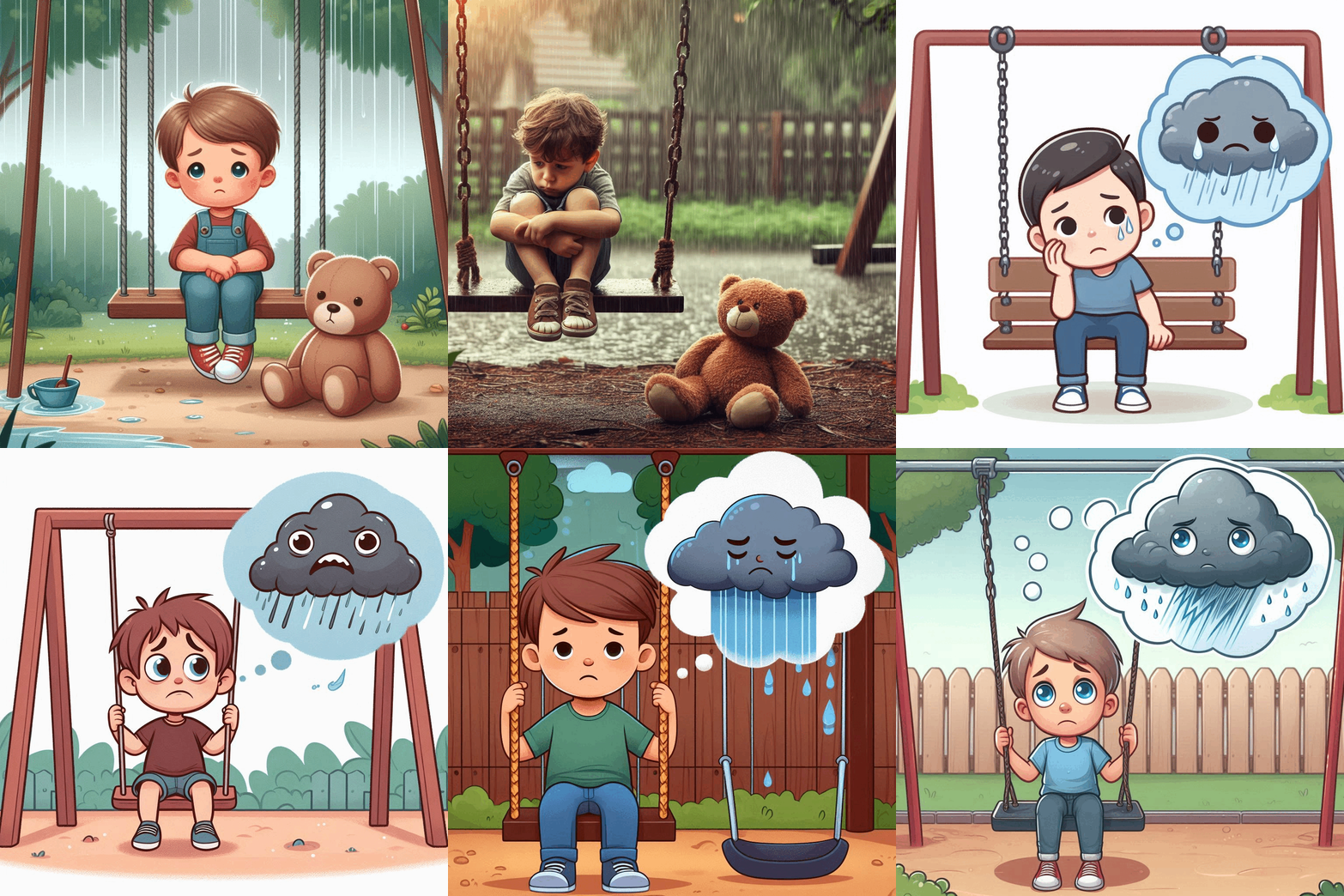
|
|
Attention-Deficit/Hyperactivity Disorder (ADHD)Characterized by persistent patterns of inattention, hyperactivity, and impulsivity that interfere with functioning or development. Attention-Deficit/Hyperactivity Disorder (ADHD) is a neurodevelopmental condition commonly diagnosed in children, characterized by symptoms of inattention, hyperactivity, and impulsivity. These symptoms can manifest in various ways, such as difficulty focusing on tasks, excessive movement, and trouble waiting for one’s turn. The diagnosis typically involves a comprehensive evaluation that includes behavioral assessments and reports from parents and teachers. ADHD can significantly impact a child’s academic performance and self-esteem, as they may struggle to keep up with their peers in both classroom settings and social interactions. Early intervention, which may include behavioral therapy and, in some cases, medication, can help children manage their symptoms and improve their functioning. The social environment plays a crucial role in how children with ADHD navigate their relationships and interactions. Many children with ADHD may find it challenging to establish and maintain friendships due to their impulsive behaviors or difficulty in reading social cues. This can lead to social isolation or negative peer interactions, as classmates may perceive them as disruptive or unpredictable. Furthermore, the frustration of not fitting in can contribute to emotional difficulties, such as anxiety or depression. Supportive social environments, including understanding peers and empathetic adults, can help mitigate these challenges. Schools that promote inclusivity and provide tailored support can foster positive social experiences, enhancing the overall well-being of children with ADHD. | 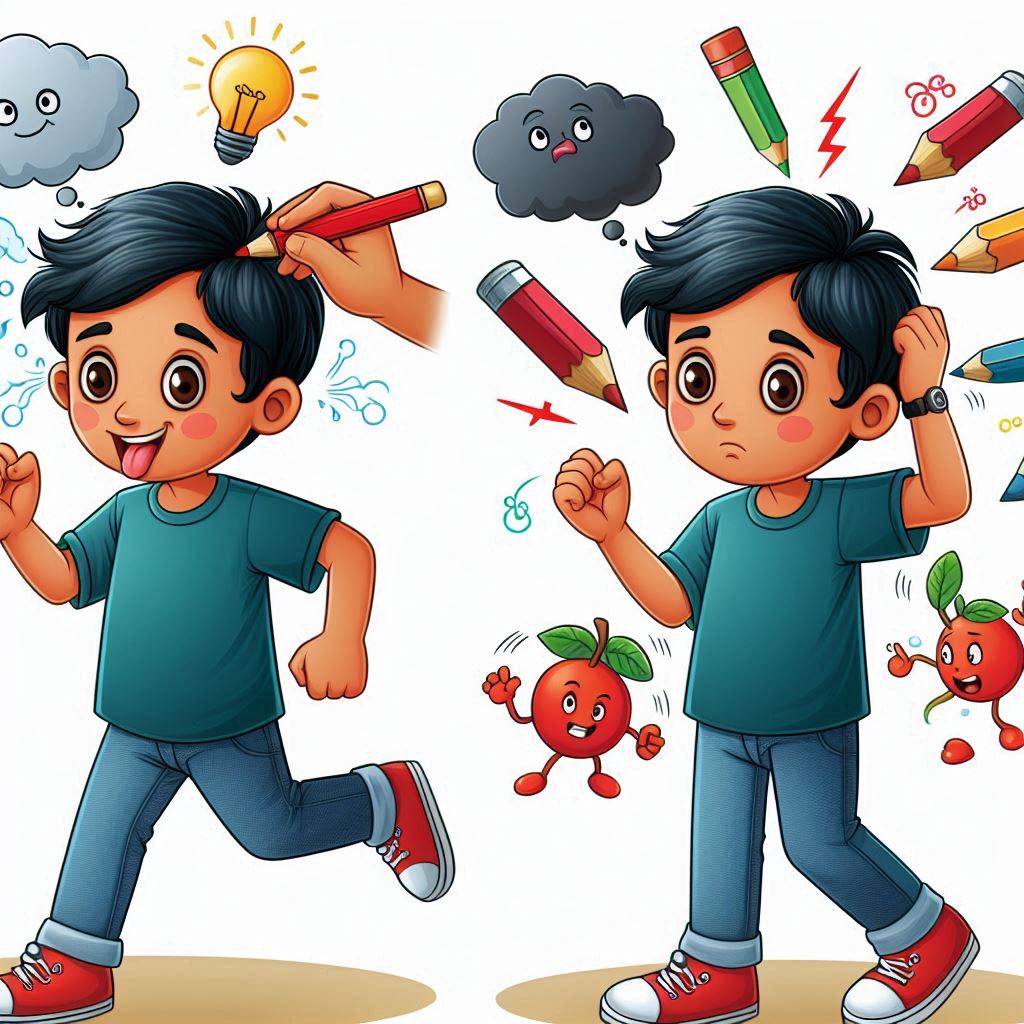
|
|
Autism Spectrum Disorder (ASD)A developmental disorder that affects communication, behavior, and social interaction, often presenting with repetitive behaviors and restricted interests. Autism Spectrum Disorder (ASD) is a complex neurodevelopmental condition that affects how children communicate, interact, and perceive the world around them. The symptoms of ASD can vary widely but often include challenges with social communication, restricted interests, and repetitive behaviors. Many children with ASD may struggle with understanding social cues, maintaining conversations, or engaging in imaginative play, which can hinder their ability to connect with peers. Early diagnosis and intervention, such as speech therapy, occupational therapy, and behavioral therapies, are crucial in helping these children develop essential skills and strategies to navigate their environment more effectively. The social environment significantly influences how children with ASD experience their daily lives and relationships. Due to difficulties in social communication, these children may find it hard to initiate or sustain friendships, leading to feelings of isolation or frustration. They may also be misunderstood by peers, who might view their behaviors as odd or unapproachable, further complicating social interactions. Supportive environments—such as inclusive classrooms and community programs—can help foster understanding and acceptance among peers, allowing children with ASD to feel valued and included. Additionally, programs that teach social skills and encourage peer interactions can significantly enhance their ability to build meaningful relationships, ultimately improving their overall quality of life. | 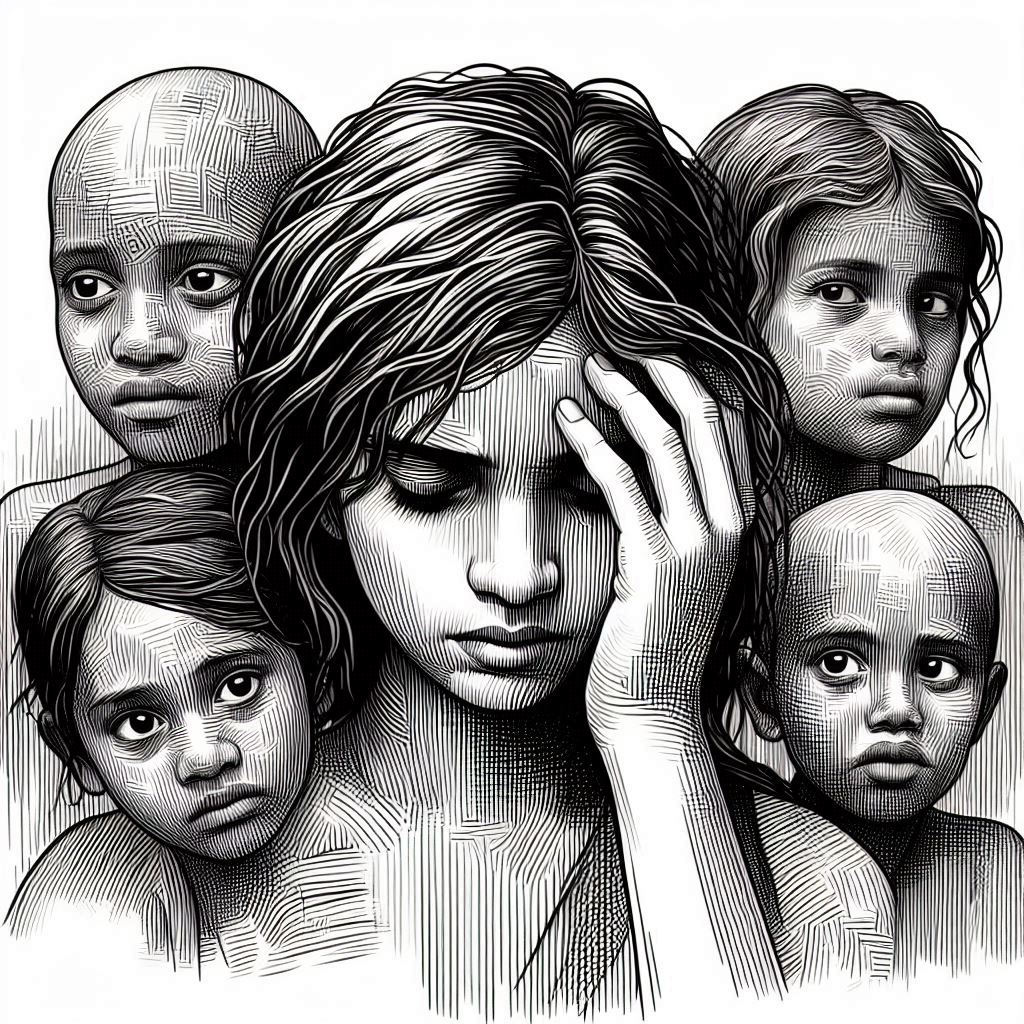
|
|
Anxiety DisordersIncludes Generalized Anxiety Disorder (GAD), Social Anxiety Disorder, Separation Anxiety Disorder, and specific phobias, which can cause excessive worry, fear, or avoidance behaviors. Anxiety disorders in children encompass a range of conditions characterized by excessive fear or worry that can interfere with daily functioning. Common types include generalized anxiety disorder, social anxiety disorder, and separation anxiety disorder. Children may exhibit signs such as persistent nervousness, avoidance of certain situations, or physical symptoms like stomachaches and headaches. These disorders can manifest in various contexts, including school, home, and social situations. Early identification and treatment, which may involve therapy, medication, or coping strategies, are crucial in helping children manage their anxiety and develop resilience. The impact of anxiety disorders on a child's social environment can be profound. Children grappling with anxiety often struggle to engage with peers, participate in group activities, or speak in public due to overwhelming fears. This avoidance can lead to isolation, as they may decline invitations to playdates or extracurricular activities, missing valuable opportunities for socialization. Moreover, their anxious behaviors can be misunderstood by peers, who might label them as shy or unfriendly, further exacerbating feelings of loneliness. Creating a supportive social environment, where peers and adults recognize and validate these challenges, is essential for fostering connections and reducing stigma. Programs that encourage social skills development and promote understanding can help anxious children feel more comfortable in social settings, ultimately enhancing their social interactions and overall well-being. | 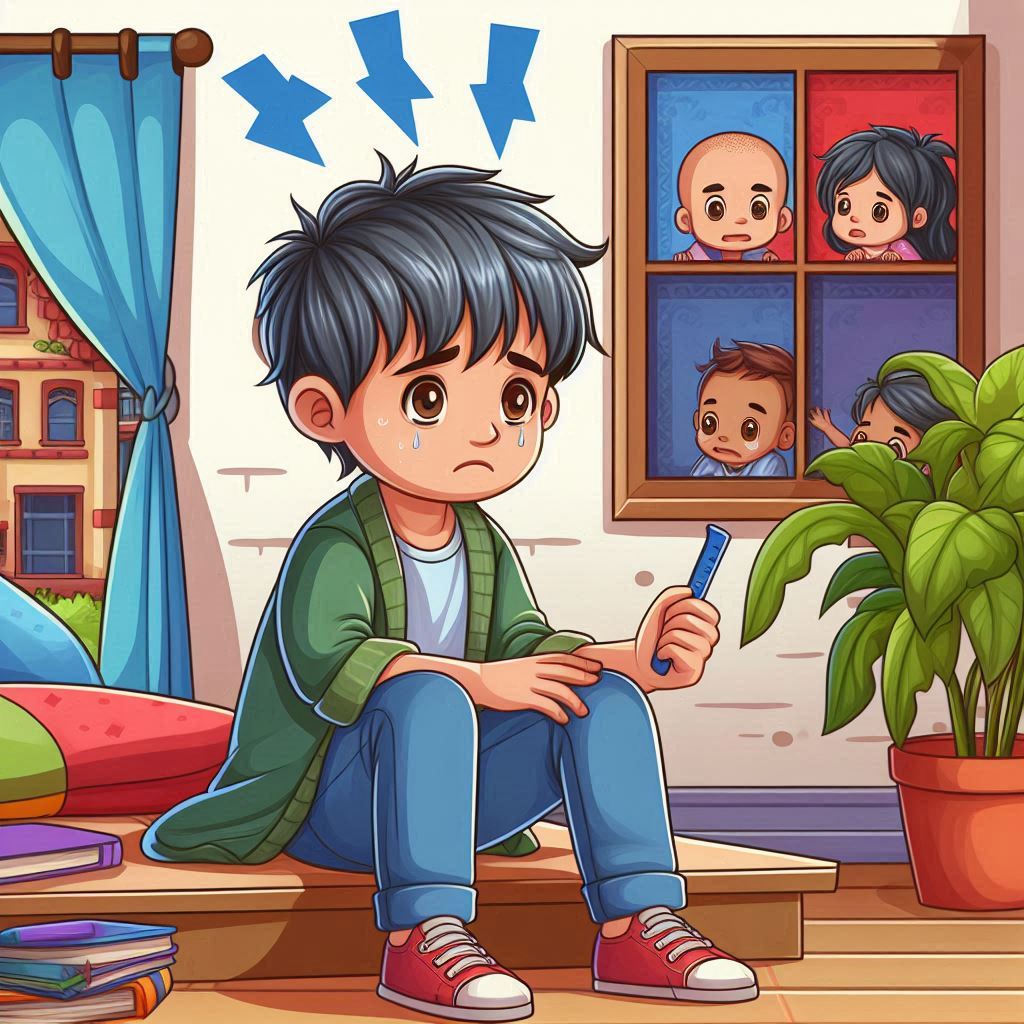
|
|
DepressionAlthough less common in very young children, depression can occur and may present with symptoms such as persistent sadness, irritability, changes in appetite or sleep, and loss of interest in activities. Depression in children is a serious mental health condition that can significantly affect their emotional, cognitive, and physical well-being. Unlike typical mood fluctuations, childhood depression is characterized by persistent feelings of sadness, irritability, and a lack of interest in activities once enjoyed. Children may also exhibit changes in sleep patterns, appetite, and energy levels, often struggling with concentration in school. Recognizing depression in children can be challenging, as they may not always articulate their feelings or may express their distress through behavioral issues. Early intervention, including therapy and, in some cases, medication, is essential to help children navigate their feelings and develop coping strategies. The impact of depression on a child’s social environment can be profound and multifaceted. Children suffering from depression may withdraw from friends and family, leading to social isolation and a decline in relationships. Their lack of engagement in social activities can cause peers to perceive them as distant or unapproachable, further exacerbating feelings of loneliness. Additionally, the stigma surrounding mental health issues can lead to misunderstandings among peers, contributing to bullying or exclusion. Supportive environments that promote open dialogue about emotions and mental health can help mitigate these effects. Programs that foster peer connections and encourage empathy can empower children with depression to feel understood and included, ultimately improving their social interactions and quality of life. | 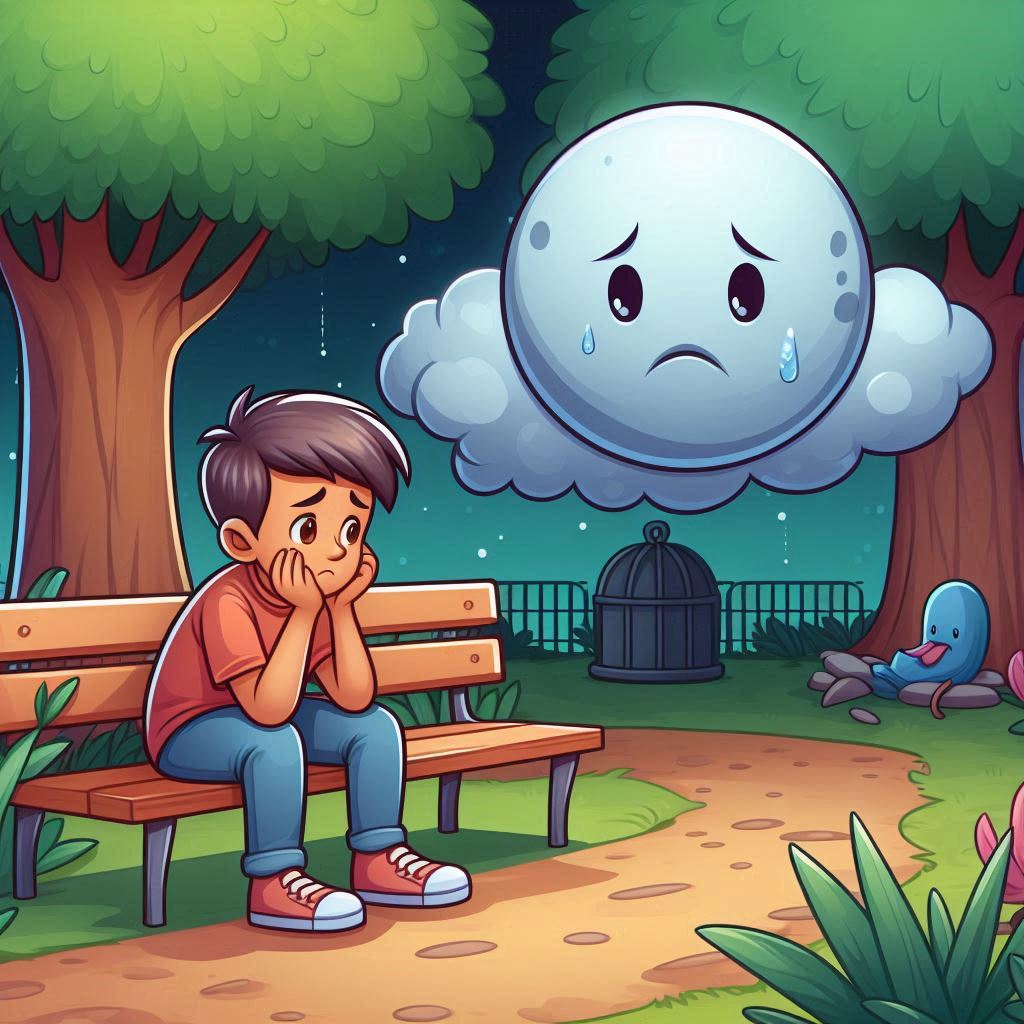
|
|
Oppositional Defiant Disorder (ODD)Characterized by a pattern of angry, irritable mood, argumentative or defiant behavior, and vindictiveness toward authority figures. Oppositional Defiant Disorder (ODD) is a behavioral condition commonly diagnosed in children and characterized by a consistent pattern of angry, irritable mood, argumentative behavior, and defiance towards authority figures. Children with ODD often exhibit a range of disruptive behaviors, such as losing their temper, actively refusing to comply with rules, and engaging in spiteful or vindictive actions. The symptoms can manifest at home, in school, and in various social settings, making daily interactions challenging for both the child and those around them. Early recognition and intervention, including behavioral therapy and parent training, are essential to help these children develop better coping strategies and improve their behavioral responses. The social environment significantly influences how children with ODD navigate their relationships and interactions. Their defiant behavior can lead to conflicts with peers, teachers, and family members, resulting in strained relationships and potential social isolation. Peers may find it difficult to interact with children exhibiting ODD symptoms, leading to a lack of friendships and feelings of rejection. Furthermore, the consistent negative feedback from adults and peers can exacerbate the child’s feelings of frustration and resentment, creating a cycle of defiance and isolation. Supportive environments that promote understanding and positive reinforcement can help mitigate these challenges. By fostering communication and empathy among peers, schools and families can create a more inclusive atmosphere, enabling children with ODD to build healthier social connections and improve their overall well-being. | 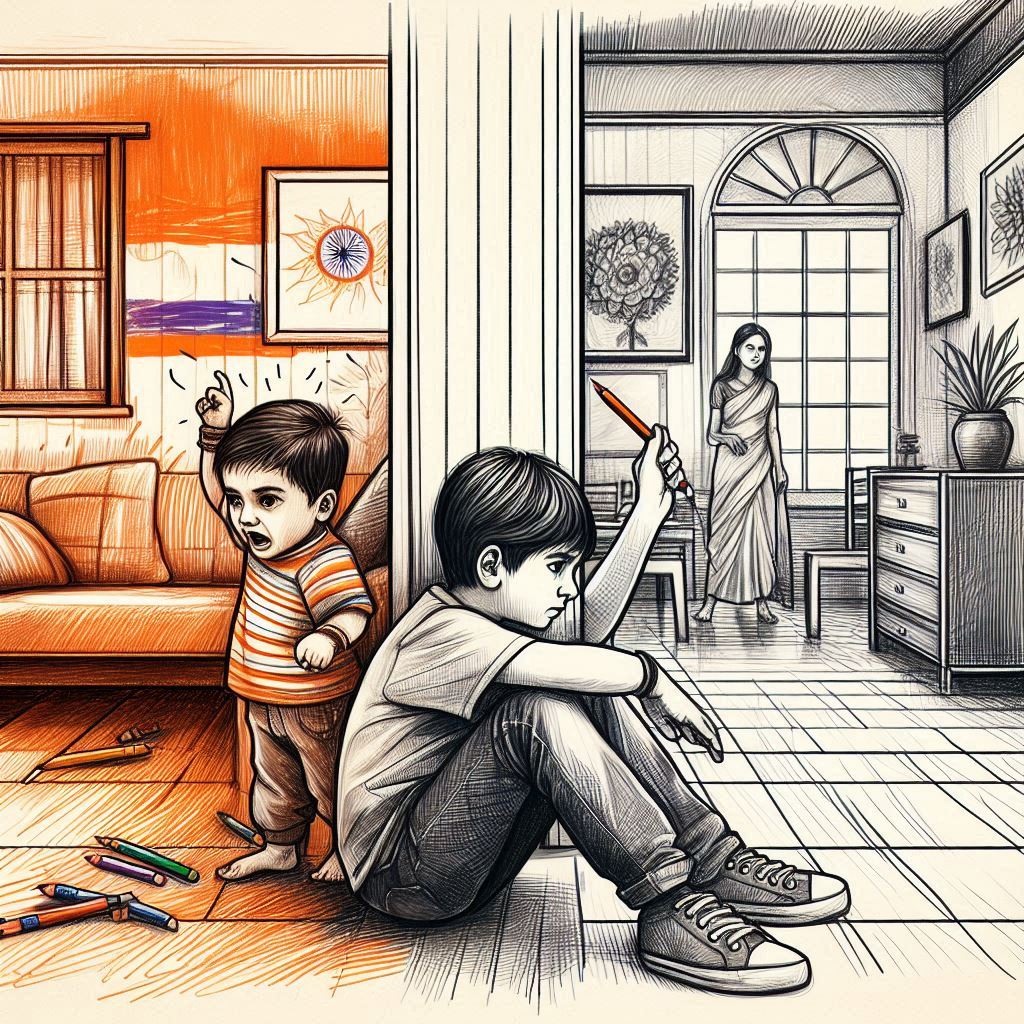
|
|
Conduct DisorderInvolves more severe behavioral issues, including aggression toward people or animals, destruction of property, and serious violations of rules. Conduct Disorder (CD) is a serious behavioral and emotional disorder diagnosed in children and adolescents characterized by a persistent pattern of violating societal norms and the rights of others. Children with CD may engage in aggressive behaviors, such as bullying, physical fights, or cruelty to animals, as well as deceitful actions, like lying or stealing. They often display a lack of empathy and remorse for their actions, making it challenging for caregivers and educators to manage their behavior effectively. Early identification and intervention, which can include therapy, family counseling, and behavioral modification strategies, are crucial for addressing the underlying issues and promoting healthier behavioral patterns. The effects of Conduct Disorder on a child's social environment can be profound and far-reaching. Children with CD often struggle to form positive relationships, as their aggressive and disruptive behaviors alienate peers and provoke negative reactions from adults. This can lead to social isolation, as other children may avoid interactions with them, fearing bullying or conflict. The consequences extend to academic settings, where disruptive behaviors can result in disciplinary actions, further marginalizing these children. Additionally, the stigma associated with Conduct Disorder can lead to a cycle of negative labeling and increased frustration, which may exacerbate their conduct issues. Creating a supportive and understanding environment, along with clear boundaries and positive reinforcement, can help these children develop more constructive social skills and improve their interactions with others. | 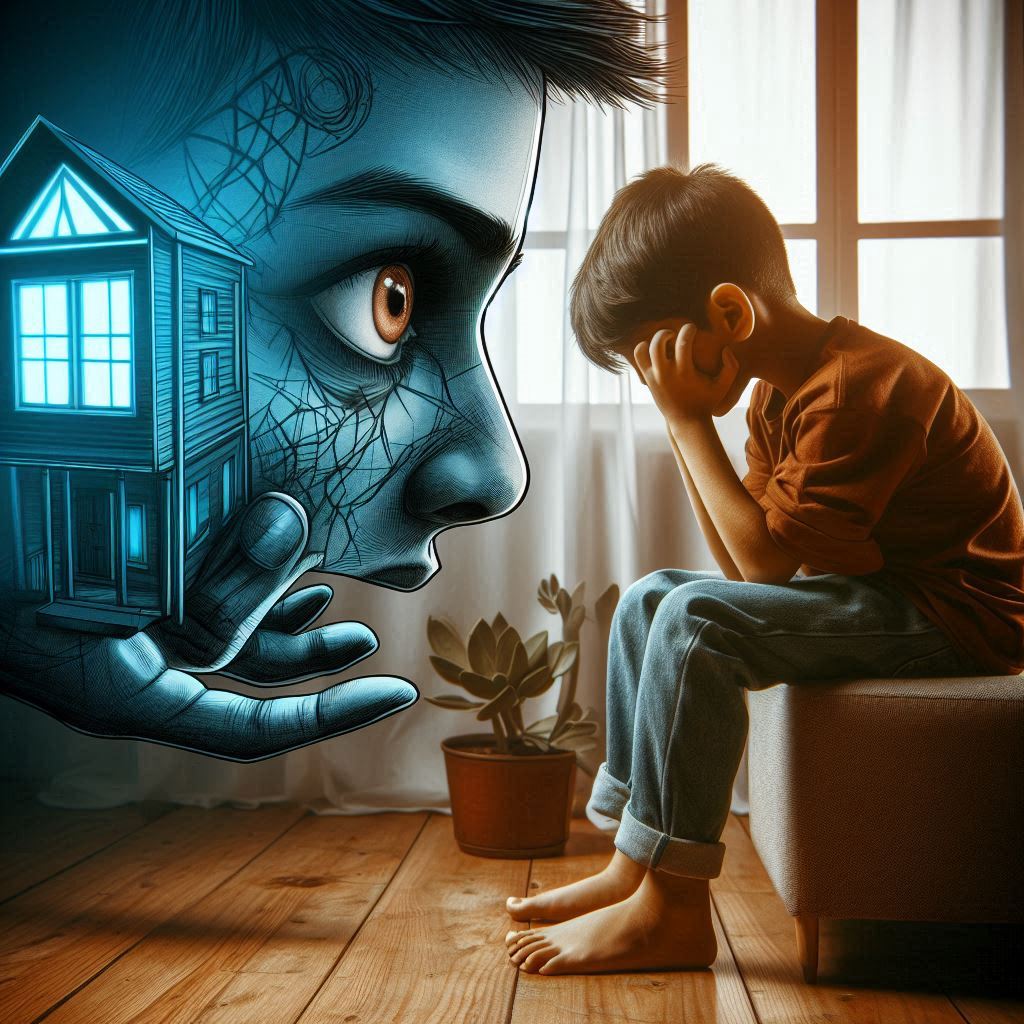
|
|
Bipolar DisorderWhile it often emerges in late adolescence, symptoms can appear in younger children, involving mood swings between periods of mania and depression. Bipolar Disorder in children is a complex mental health condition characterized by significant mood swings that include emotional highs (mania or hypomania) and lows (depression). Unlike typical mood fluctuations, these episodes can be intense and disruptive, affecting a child’s behavior, energy levels, and ability to function in daily life. During manic episodes, children may exhibit increased energy, impulsivity, and an exaggerated sense of self-esteem, often leading to risky behaviors. Conversely, during depressive episodes, they may experience profound sadness, irritability, and a lack of interest in activities they once enjoyed. Early diagnosis and intervention are crucial, as appropriate treatment can help children manage their symptoms and lead fulfilling lives. The impact of Bipolar Disorder on a child's social environment can be significant and multifaceted. Children with this condition often struggle to maintain stable relationships due to their unpredictable mood changes, which can be confusing and overwhelming for peers. During manic phases, their impulsive behavior may alienate friends or result in conflicts, while depressive episodes can lead to withdrawal and isolation. This inconsistency can make it challenging for peers to understand and connect with them, leading to potential bullying or exclusion. Additionally, the stigma surrounding mental health issues can further exacerbate feelings of loneliness and misunderstanding. Supportive environments, where peers and adults are educated about Bipolar Disorder, can foster empathy and encourage positive interactions, helping these children feel accepted and integrated into their social circles. | 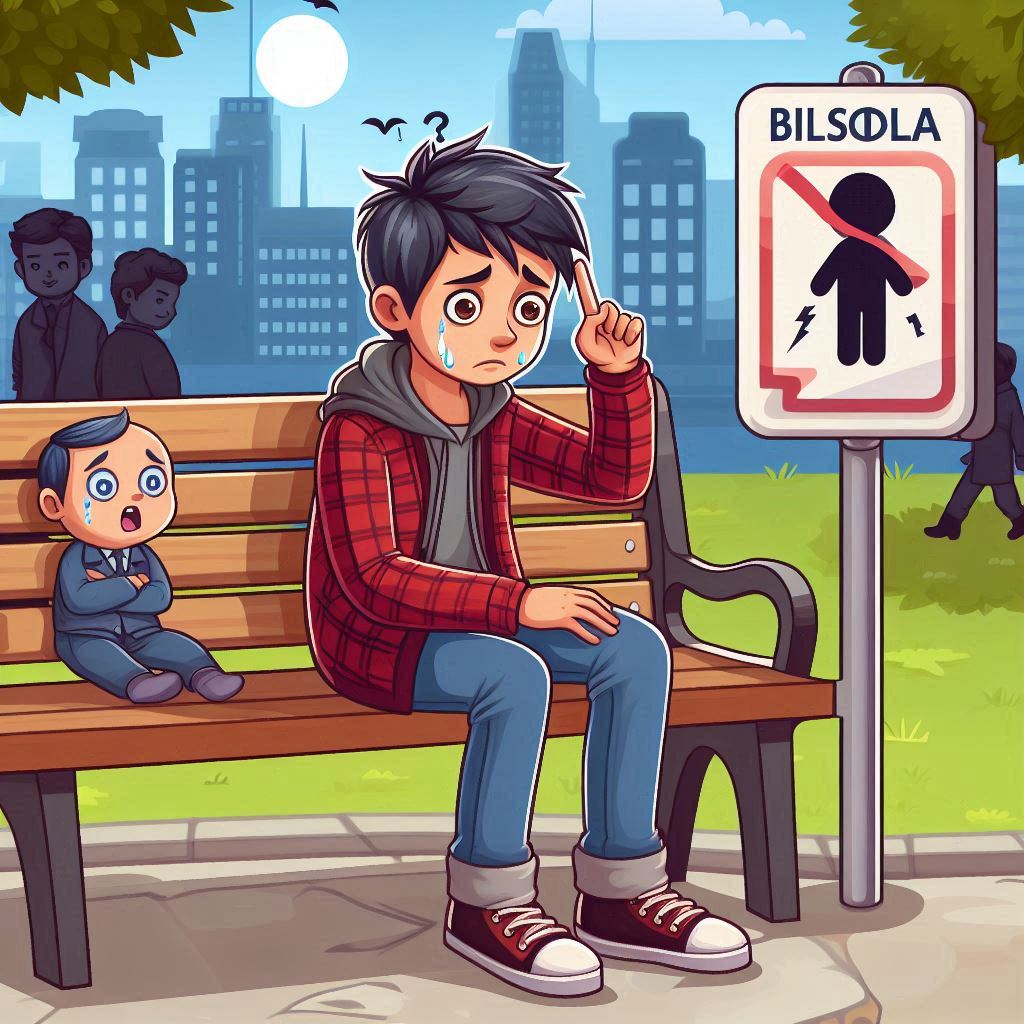
|
|
Obsessive-Compulsive Disorder (OCD)Involves unwanted, persistent thoughts (obsessions) and repetitive behaviors or mental acts (compulsions) performed to alleviate anxiet Obsessive-Compulsive Disorder (OCD) in children is a mental health condition marked by intrusive thoughts (obsessions) and repetitive behaviors or mental acts (compulsions) that the child feels compelled to perform. These obsessions can manifest as fears of contamination, fears of harm coming to themselves or loved ones, or persistent doubts about everyday tasks. Compulsions, such as excessive hand-washing, counting, or checking, are often performed to alleviate the anxiety caused by these obsessions. The impact of OCD can significantly disrupt a child's daily life, affecting their ability to concentrate at school, engage in social activities, and even participate in family routines. Early intervention through cognitive-behavioral therapy and, in some cases, medication can be vital in helping children manage their symptoms. The social environment plays a crucial role in how children with OCD navigate their relationships and interactions. The time-consuming nature of compulsive behaviors often leads to withdrawal from peers and social activities, as children may avoid situations that trigger their obsessions. This avoidance can create a sense of isolation and loneliness, as friendships may fade due to the child's inability to participate in group activities or spontaneous play. Additionally, peers may misunderstand the child's behavior, leading to potential bullying or stigmatization, which can further exacerbate feelings of anxiety and low self-esteem. Creating a supportive and understanding social environment—where peers and adults are informed about OCD and its challenges—can foster empathy and inclusion, enabling children with OCD to feel more connected and accepted, ultimately improving their overall well-being. | 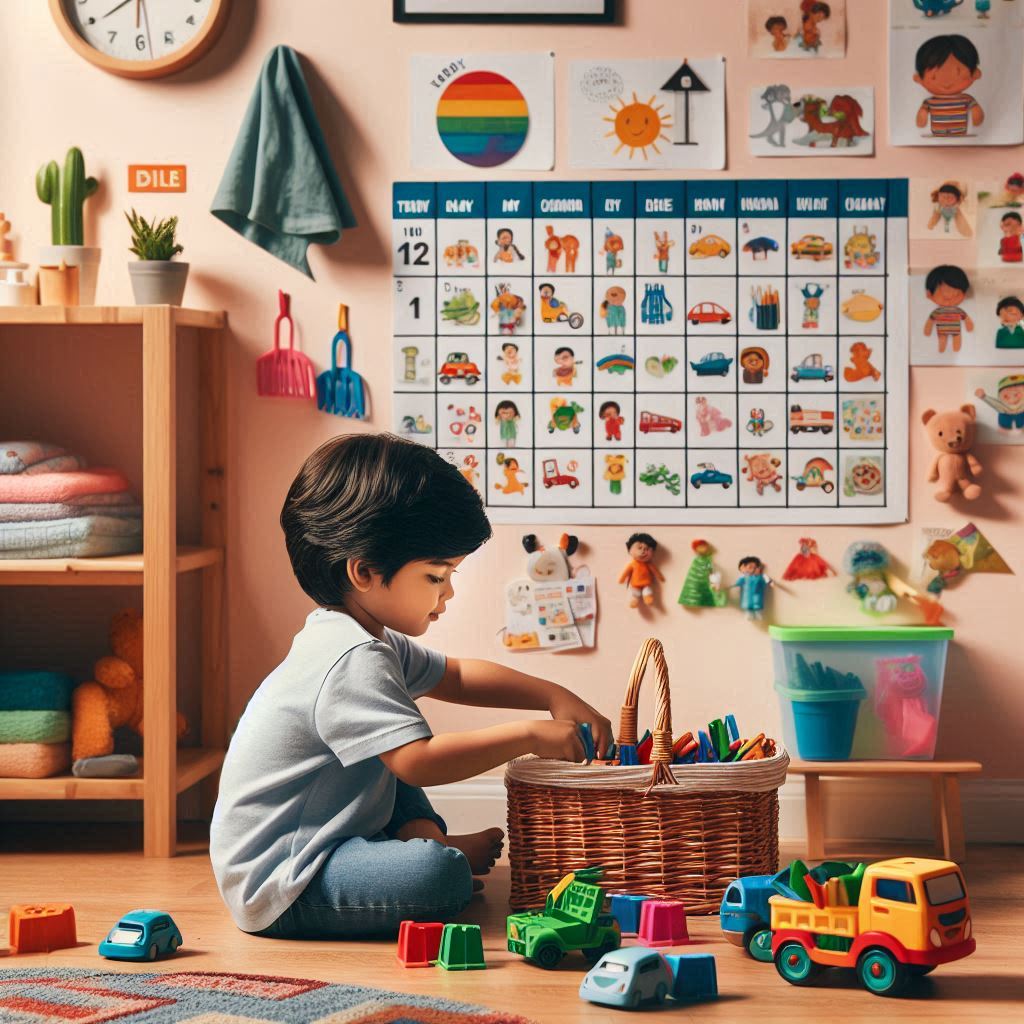
|
|
Post-Traumatic Stress Disorder (PTSD)Can occur in children following exposure to traumatic events, leading to symptoms such as flashbacks, nightmares, and severe anxiety. Post-Traumatic Stress Disorder (PTSD) in children is a psychological condition that can develop after a child experiences or witnesses a traumatic event, such as abuse, violence, accidents, or natural disasters. Unlike adults, children may exhibit different symptoms, including heightened anxiety, irritability, nightmares, and avoidance behaviors. These symptoms can manifest in various ways, often impacting a child's daily functioning and emotional development. For instance, a child with PTSD may struggle to concentrate in school, leading to academic difficulties, or exhibit aggressive behavior as a coping mechanism. Understanding the unique manifestations of PTSD in children is crucial for early identification and intervention. The effects of PTSD in children extend beyond the individual, significantly influencing their social environment. Children with PTSD may find it challenging to form and maintain friendships, often withdrawing from social interactions due to fear or anxiety. This isolation can exacerbate feelings of loneliness and lead to further emotional distress. Additionally, their erratic behaviors and emotional responses may create misunderstandings among peers and caregivers, resulting in strained relationships. In educational settings, teachers and classmates may struggle to understand the child’s behavior, leading to stigma and exclusion. Thus, addressing the social ramifications of PTSD is essential for fostering supportive environments that promote healing and social reintegration for affected children. | 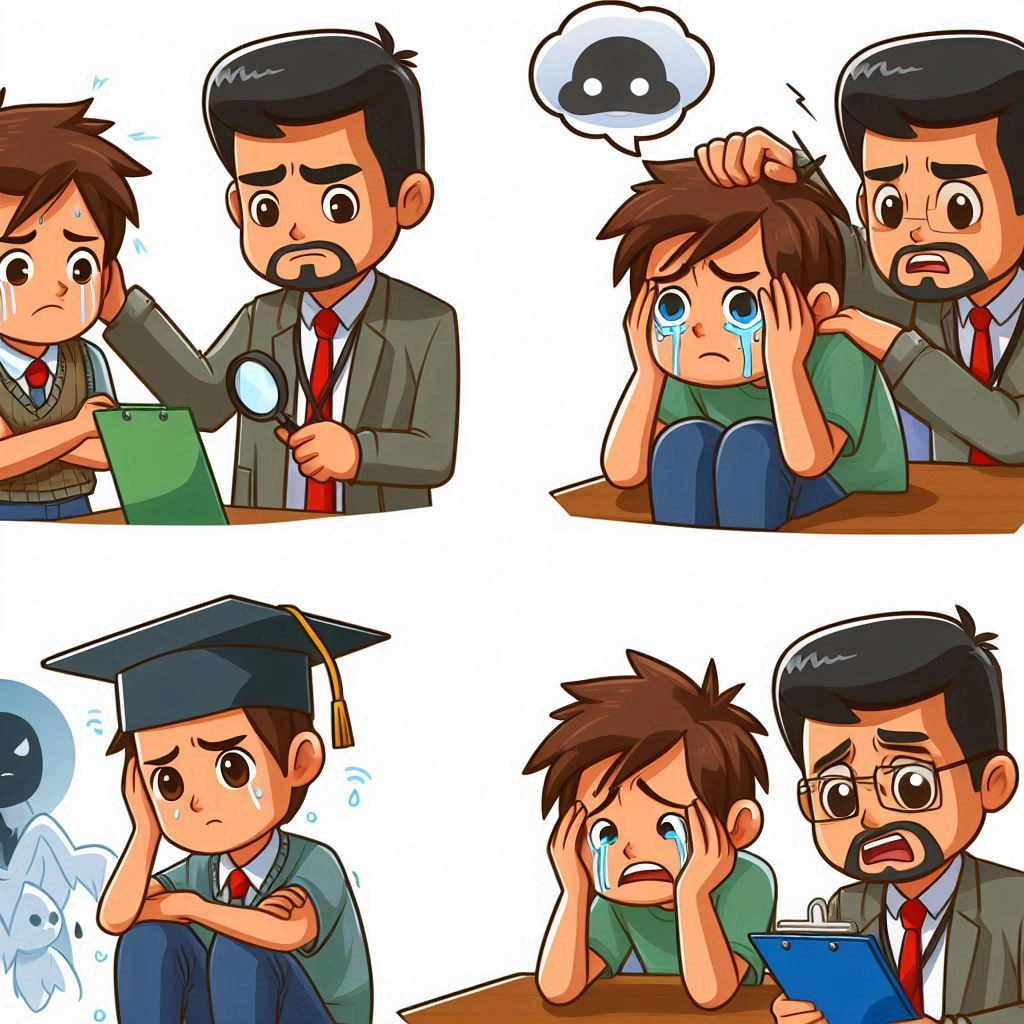
|
|
Selective MutismA complex anxiety disorder where a child consistently fails to speak in certain social situations despite speaking in other settings, like at home. Selective Mutism is a complex anxiety disorder primarily affecting children, characterized by a consistent inability to speak in certain social situations, despite the ability to communicate comfortably in others, such as at home. Typically emerging in early childhood, this condition often manifests in settings like school or during social gatherings, where children may remain silent even when they understand the conversations occurring around them. The underlying cause is usually related to social anxiety, and while children with selective mutism can speak normally at home, the pressure of speaking in unfamiliar environments can be overwhelming. This inconsistency in communication can hinder their social development, leading to frustration and a sense of isolation. The social implications of selective mutism can be profound, affecting not only the child but also their peers and caregivers. Children with this disorder may struggle to form friendships, as their silence can be misinterpreted as shyness or rudeness, leading to social rejection or misunderstanding among peers. This inability to engage verbally can create barriers to participation in group activities, resulting in missed opportunities for social learning and connection. Moreover, teachers and adults may feel challenged in supporting a child who does not communicate, potentially exacerbating feelings of anxiety and isolation for the child. Consequently, fostering a supportive and understanding environment is crucial, as it can significantly impact the child’s confidence and willingness to engage in social interactions over time. | 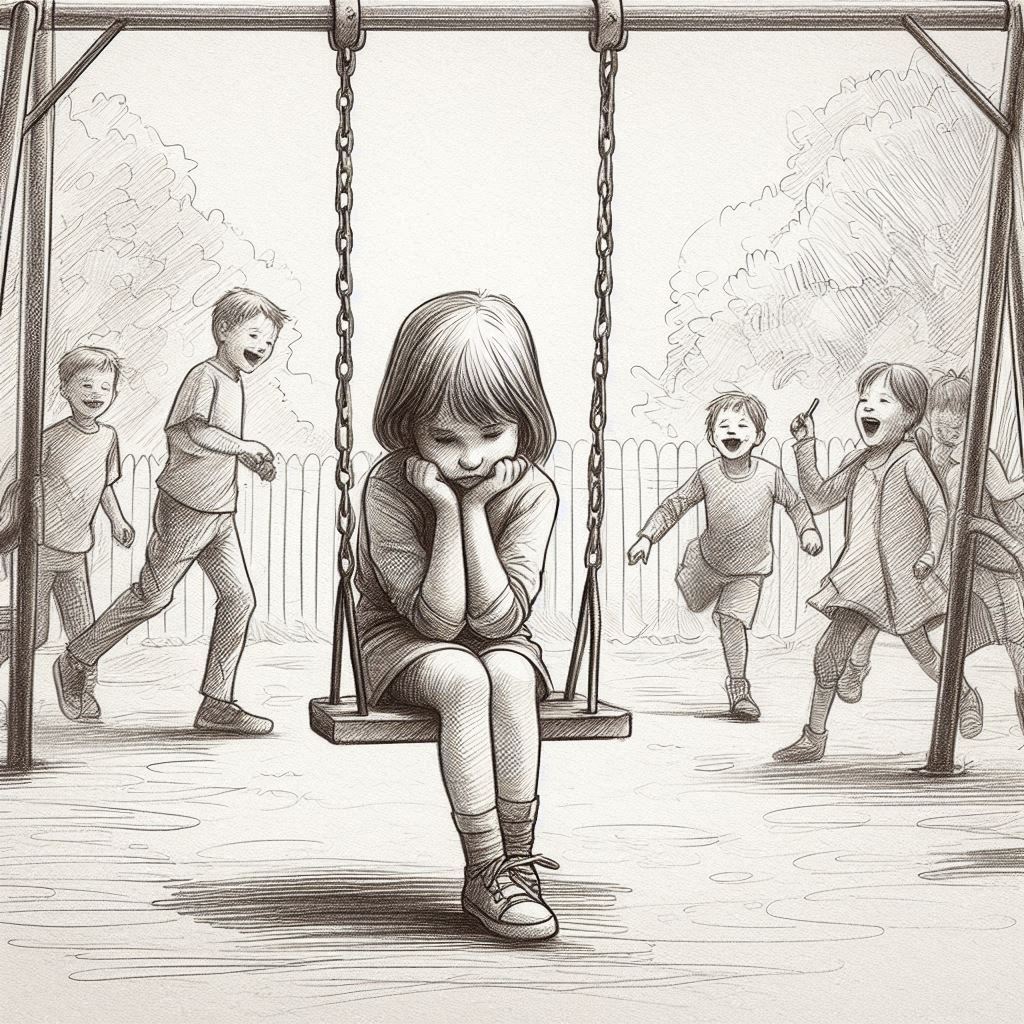
|
|
Attachment DisordersSuch as Reactive Attachment Disorder (RAD) or Disinhibited Social Engagement Disorder (DSED), which can occur in children who have experienced significant disruptions in early caregiving relationships. Attachment disorders in children arise when there is a failure to form healthy emotional bonds with primary caregivers, often due to inconsistent care, neglect, or trauma during critical developmental periods. These disorders typically manifest in two main forms: Reactive Attachment Disorder (RAD) and Disinhibited Social Engagement Disorder (DSED). Children with RAD may exhibit extreme withdrawal and difficulty expressing emotions, while those with DSED may demonstrate overly familiar behavior with strangers. Both conditions can stem from adverse early experiences and significantly impair a child’s ability to trust and connect with others. Understanding these attachment issues is crucial for providing appropriate therapeutic interventions and fostering a nurturing environment that encourages emotional security. The impact of attachment disorders on a child's social environment can be profound, influencing their interactions with peers, caregivers, and authority figures. Children with RAD often struggle to engage in reciprocal relationships, leading to isolation and difficulty forming friendships. Their mistrust can manifest as aggression or withdrawal, making social situations challenging and often resulting in negative feedback from peers. Conversely, children with DSED may display overly friendly behavior towards unfamiliar adults, posing safety risks and making adults wary. In educational settings, these attachment issues can create significant barriers to learning and social integration, as teachers may struggle to understand the child's behavior and respond effectively. Thus, creating a supportive environment that emphasizes trust and understanding is essential for helping children with attachment disorders build healthy relationships and navigate social interactions successfully. | 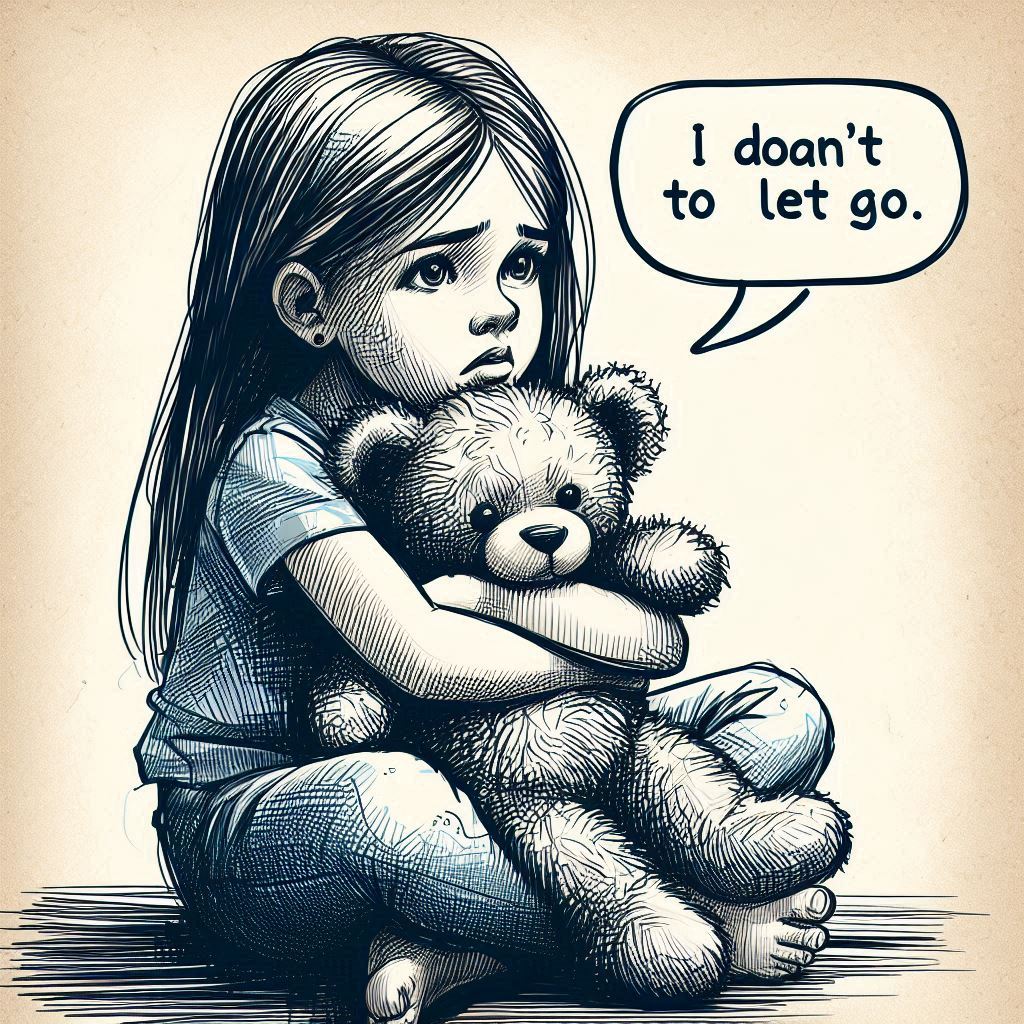
|
|
Elimination DisordersIncludes Enuresis (involuntary urination) and Encopresis (involuntary defecation), which are often associated with emotional or behavioral issues. Elimination disorders in children primarily encompass two conditions: enuresis, or bedwetting, and encopresis, which involves fecal incontinence. These disorders can occur in children who have reached an age where they are expected to have control over their bladder or bowel movements, typically around five years old. Enuresis can be either nocturnal or diurnal and is often linked to genetic factors, developmental delays, or emotional stress. Encopresis may arise from a variety of causes, including chronic constipation, which can create a cycle of avoidance and anxiety surrounding bowel movements. Understanding these disorders is essential for addressing the underlying issues and providing appropriate interventions, as they can significantly impact a child's self-esteem and social experiences. The social implications of elimination disorders can be profound, affecting a child’s interactions with peers, family, and educational settings. Children experiencing enuresis may feel embarrassed or ashamed, leading to avoidance of sleepovers or social activities, which can contribute to feelings of isolation and low self-worth. Encopresis can similarly result in social stigma, as children may face ridicule from classmates or misunderstandings from teachers, creating a sense of anxiety about using the restroom. These social challenges can hinder the child’s ability to form friendships and participate fully in school life. Therefore, creating a supportive and understanding environment is crucial; open communication and empathy from caregivers, educators, and peers can help mitigate the emotional impact of these disorders, fostering resilience and encouraging healthier social interactions. | 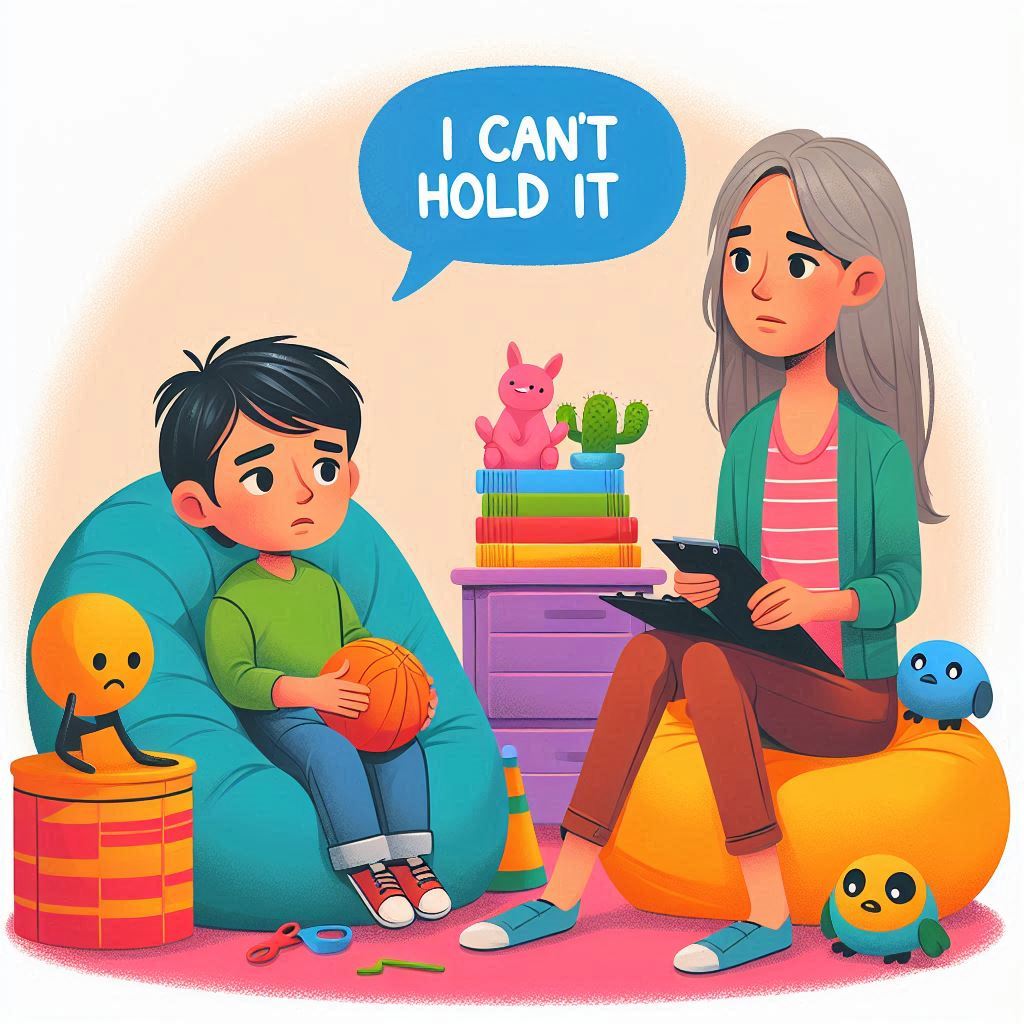
|
|
Learning DisabilitiesSuch as Dyslexia (difficulty with reading), Dyscalculia (difficulty with math), and Dysgraphia (difficulty with writing), which can impact academic performance and self-esteem. Learning disabilities in children encompass a range of neurodevelopmental disorders that affect the brain's ability to process information, impacting skills such as reading, writing, math, and communication. Common types of learning disabilities include dyslexia, dyscalculia, and dysgraphia, each presenting unique challenges in academic settings. Children with these disabilities often possess average or above-average intelligence but struggle to perform at the expected level due to their specific learning challenges. Early identification and tailored interventions are critical for supporting these children in their educational journeys, helping them develop coping strategies and succeed academically. Understanding the nature of learning disabilities is essential for educators, parents, and peers to foster a more inclusive learning environment. The social environment of children with learning disabilities can be significantly affected, as these challenges often lead to frustration and low self-esteem. Struggling academically can result in feelings of inadequacy, making it difficult for these children to build confidence and engage socially with their peers. They may experience bullying or exclusion, as classmates might not understand the nature of their struggles. This social stigma can lead to withdrawal from social interactions, further exacerbating feelings of isolation. Additionally, teachers and caregivers may unintentionally reinforce these feelings if they lack the knowledge or resources to provide appropriate support. Fostering an inclusive and understanding atmosphere is essential; with the right encouragement and accommodations, children with learning disabilities can thrive socially and academically, ultimately forming meaningful connections with their peers. | 
|
|
Agham initiatesAgham Initiatives is a dedicated program aimed at supporting children facing mental health challenges by providing comprehensive resources and therapeutic interventions. By focusing on early identification and prevention, Agham empowers children and their families with the tools necessary to understand and manage mental health issues. The initiative offers a variety of services, including counseling, educational workshops, and peer support groups, fostering a community of understanding and acceptance. Through creative therapies and activities, children are encouraged to express their feelings and develop coping strategies. Agham also collaborates with schools and community organizations to raise awareness and reduce stigma around mental health. By promoting mental well-being and resilience, Agham Initiatives helps children regain confidence and engage more fully in their social environments. Ultimately, the program aims to create a supportive network that enables children to thrive emotionally and academically. | 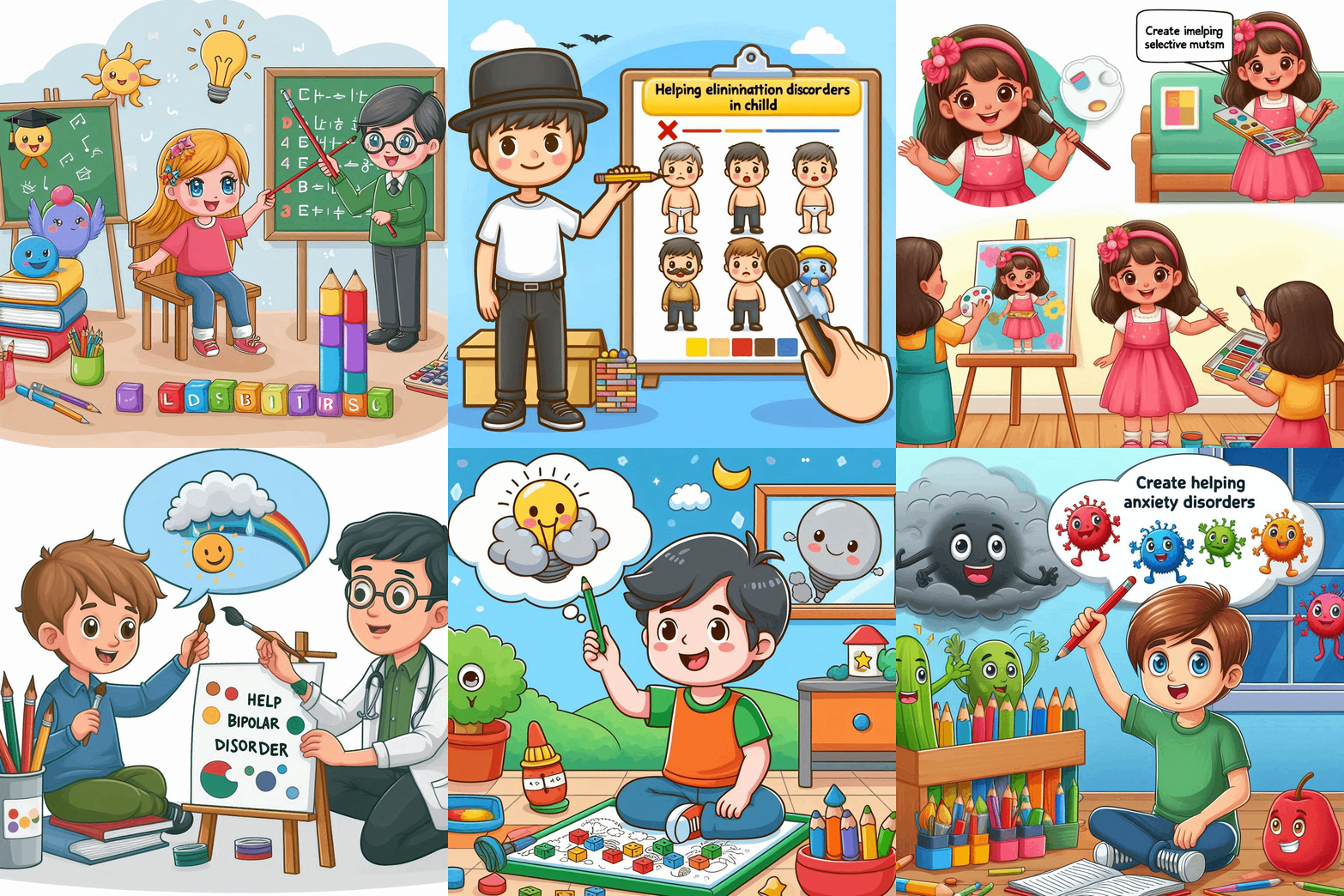
|
|
"Every child deserves a safe space to heal, grow, and believe in their own strength." |
இது தமிழ் அறிமுகம். இங்கே நீங்கள் தமிழ் மொழியில் பின்னணி தகவல்களை வழங்கலாம்.
இங்கே சில சிறப்பம்சங்களை தமிழ் மொழியில் விளக்கப்பட்டுள்ளது.
தமிழ் மொழியில் எங்களை தொடர்பு கொள்ளும் விதம்.