|
Select Language |

|
|
Select Language |
|
Mental Illness Related to MenMental illness among men is a critical issue that often goes unaddressed due to societal expectations and stigma. Traditionally, many cultures promote ideals of masculinity that emphasize emotional stoicism, self-reliance, and toughness. As a result, men may feel pressured to suppress their emotions, which can lead to feelings of isolation and shame when facing mental health challenges. The reluctance to seek help is compounded by stereotypes that label men who seek therapy as weak or vulnerable, further entrenching the barriers to mental health care. This can manifest in higher rates of untreated mental health conditions among men, contributing to severe consequences such as increased rates of suicide, substance abuse, and violent behavior. The family and social environment also play significant roles in shaping men's mental health. Family dynamics, including upbringing and parental expectations, can significantly influence a man's emotional well-being. For instance, families that encourage open communication and emotional expression can foster resilience and healthier coping mechanisms. Conversely, those that reinforce traditional gender roles may inadvertently contribute to mental health struggles. Additionally, workplace environments can either support or hinder mental health; toxic workplaces can exacerbate stress and anxiety, while supportive colleagues and policies can promote well-being. As awareness of mental health issues grows, it is essential for families, communities, and workplaces to create supportive environments that encourage men to prioritize their mental health and seek help when needed. | 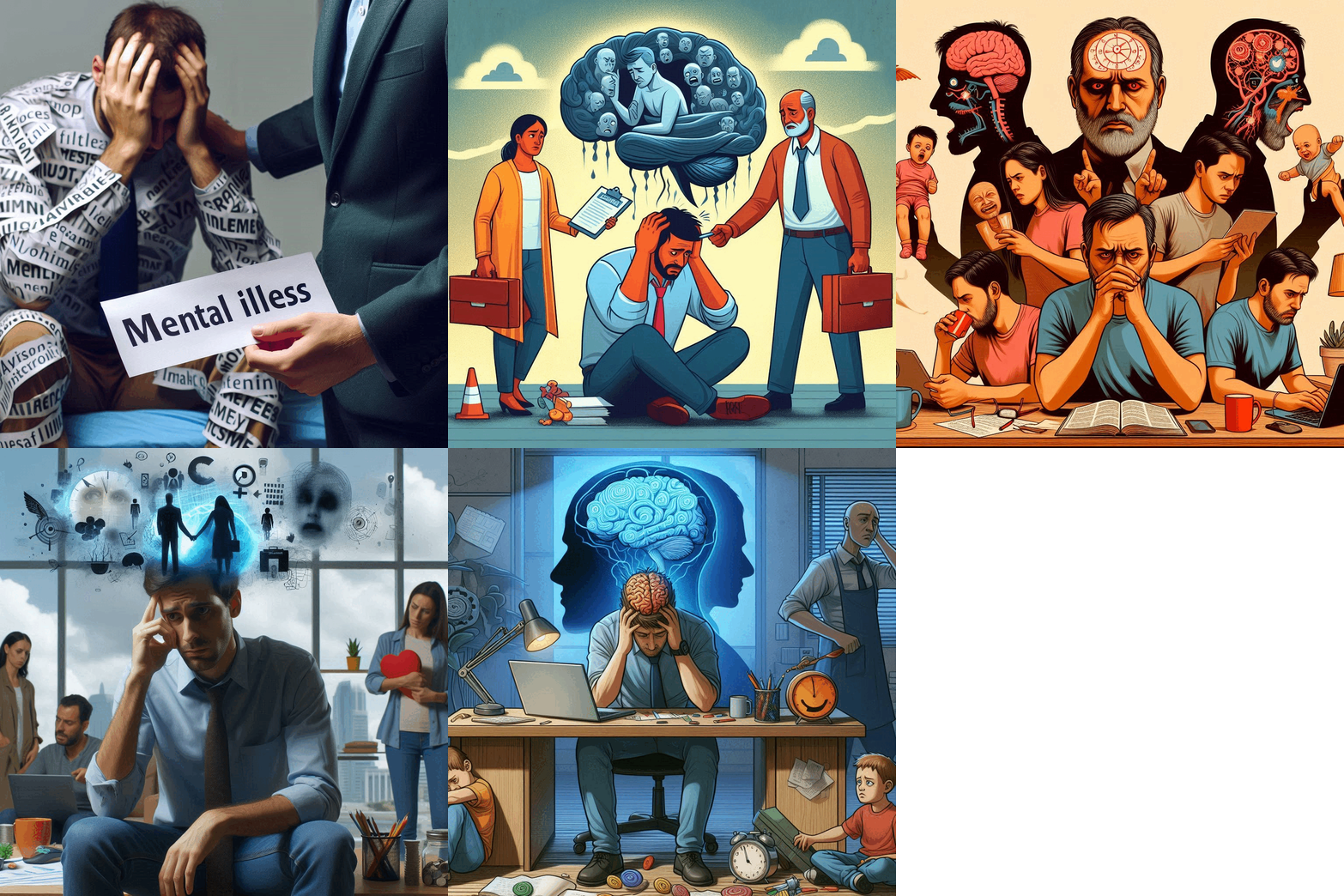
|
|
DepressionSymptoms can include persistent sadness, loss of interest in activities, and fatigue Depression in men is a pervasive issue that significantly impacts not only the individuals affected but also their families, communities, and society as a whole. While often underdiagnosed due to societal stigma surrounding mental health, depression can lead to profound emotional and physical consequences, including decreased productivity, strained relationships, and an increased risk of substance abuse. Men may express their depression differently than women, often through anger, irritability, or withdrawal, which can complicate recognition and treatment. This can create a cycle of misunderstanding within families, where loved ones may not recognize the symptoms or misinterpret them as personal failings. Consequently, the ripple effects extend beyond the individual, leading to disrupted family dynamics, increased tension, and emotional distress among family members. In a broader societal context, untreated depression in men contributes to significant social costs, including higher rates of absenteeism in the workplace and increased healthcare expenditures. Communities may also feel the impact through rising rates of violence and crime, often linked to untreated mental health issues. Additionally, the stigma surrounding male depression perpetuates a culture of silence, preventing many from seeking help and fostering a collective sense of hopelessness. Addressing depression in men requires not only increased awareness and understanding but also a cultural shift that encourages open discussions about mental health. By fostering supportive environments in families, workplaces, and communities, we can mitigate the adverse effects of depression and promote a healthier society overall. | 
|
|
Anxiety DisordersIncludes Generalized Anxiety Disorder (GAD), Panic Disorder, Social Anxiety Disorder, and specific phobias Anxiety disorders in men are often overlooked and can severely impact their social lives and overall well-being. Many men struggle with anxiety yet feel pressured to conform to traditional notions of masculinity, which often discourage emotional expression and vulnerability. This internal conflict can lead to avoidance behaviors, where men may withdraw from social situations to cope with feelings of fear or unease. As a result, they might miss out on important social interactions, friendships, and experiences that are vital for personal growth and emotional support. The fear of judgment or being perceived as weak can exacerbate these feelings, creating a cycle of isolation and heightened anxiety. Moreover, the effects of anxiety disorders can extend beyond individual experiences, affecting relationships and social dynamics. Men dealing with anxiety may find it challenging to engage in group activities or maintain relationships, leading to misunderstandings with friends and family who might misinterpret their withdrawal as disinterest or aloofness. This can result in strained relationships and a lack of social support, which is essential for coping with anxiety. Additionally, anxiety can manifest in physical symptoms, such as fatigue or irritability, further complicating social interactions. As men grapple with these challenges, it becomes crucial to foster environments that promote understanding and open dialogue about mental health, enabling men to seek help and engage more fully in their social lives. | |
|
Bipolar DisorderCharacterized by mood swings that include emotional highs (mania or hypomania) and lows (depression) Bipolar disorder in men presents unique challenges that can significantly disrupt their social activities and relationships. Characterized by extreme mood swings that range from manic highs to depressive lows, bipolar disorder often leads to unpredictable behavior, making social interactions difficult. During manic phases, men may exhibit overly exuberant or reckless behavior, which can alienate friends or family who struggle to understand the abrupt changes. Conversely, during depressive episodes, they may withdraw from social engagements altogether, feeling overwhelmed by feelings of sadness or hopelessness. This inconsistency can create confusion and strain within relationships, as loved ones may not know how to respond or support someone experiencing such drastic emotional fluctuations. The impact of bipolar disorder on social life can lead to isolation and loneliness, further exacerbating the condition. Men may avoid social situations out of fear of judgment or the potential for an episode, leading to a lack of meaningful connections. This avoidance not only affects their mental health but also diminishes opportunities for social support, which is crucial in managing the disorder. Additionally, the stigma surrounding mental health issues, particularly in men, can hinder open conversations about bipolar disorder, perpetuating feelings of shame and misunderstanding. By fostering a culture of empathy and awareness, society can help men with bipolar disorder feel more comfortable seeking support and participating in social activities, ultimately improving their quality of life and strengthening their relationships. | |
|
SchizophreniaA severe mental disorder that affects how a person thinks, feels, and behaves, often involving hallucinations and delusions Schizophrenia in men is a complex mental health condition that profoundly affects their ability to engage in social activities and maintain relationships. Typically emerging in late adolescence or early adulthood, schizophrenia can manifest through symptoms such as delusions, hallucinations, disorganized thinking, and emotional blunting. These symptoms can create significant barriers to communication and social interaction, making it difficult for men to connect with others or participate in everyday activities. As a result, they may become increasingly withdrawn, isolating themselves from family and friends. This social withdrawal often stems from a combination of fear of stigma, difficulty understanding social cues, and the overwhelming nature of their symptoms. The impact of schizophrenia on social life extends beyond personal relationships, affecting educational and occupational opportunities as well. Men may struggle to maintain jobs or attend school due to the cognitive impairments and emotional challenges associated with the disorder. This can lead to a cycle of unemployment or underemployment, further compounding feelings of inadequacy and depression. Additionally, societal stigma surrounding schizophrenia can discourage open discussions about the condition, leaving men to navigate their struggles alone. By promoting awareness and understanding of schizophrenia, society can create a more supportive environment that encourages men to seek help and reintegrate into social activities, fostering connections that are essential for recovery and well-being. | |
|
Obsessive-Compulsive Disorder (OCD)Involves unwanted repetitive thoughts (obsessions) and behaviors (compulsions) Obsessive-Compulsive Disorder (OCD) in men is a mental health condition marked by persistent, intrusive thoughts (obsessions) and repetitive behaviors or mental acts (compulsions) that individuals feel driven to perform. While OCD can affect anyone, men may face unique challenges in managing their symptoms due to societal expectations regarding masculinity. This can lead to a reluctance to seek help, as men may fear being perceived as weak or overly emotional. The compulsive behaviors associated with OCD, such as excessive cleaning, checking, or counting, can consume significant time and energy, interfering with daily life and social engagements. As a result, men may avoid social situations that trigger their obsessions or where their compulsions cannot be performed, leading to isolation and a diminished quality of life. The social impact of OCD can be profound, affecting not only the individual but also their relationships and community interactions. Friends and family may struggle to understand the condition, often misinterpreting compulsive behaviors as quirks or personality traits rather than recognizing them as symptoms of a disorder. This misunderstanding can lead to frustration and strain in relationships, as loved ones may feel helpless or overwhelmed by the individual’s compulsions. Moreover, the time spent on compulsions can prevent men from participating in social activities, hobbies, or even maintaining employment. To address these challenges, fostering awareness and open conversations about OCD is essential, as it can help create a supportive environment that encourages men to seek treatment and engage more fully in their social lives. | |
|
Post-Traumatic Stress Disorder (PTSD)Triggered by experiencing or witnessing a traumatic event, leading to flashbacks, severe anxiety, and other symptoms Post-Traumatic Stress Disorder (PTSD) in men often manifests as a complex interplay of emotional, psychological, and behavioral symptoms following traumatic experiences. Men may experience flashbacks, heightened anxiety, and emotional numbing, which can hinder their ability to process the trauma effectively. The societal expectation for men to be stoic often exacerbates their struggles, leading to internalized feelings of shame or inadequacy. As a result, men may be reluctant to seek help or openly discuss their experiences, which can isolate them further. This reluctance can create a barrier to understanding and support from family and friends, intensifying feelings of loneliness. The stigma surrounding mental health issues can deter them from engaging in social activities, thereby affecting their overall well-being. The impact of PTSD on a man's social environment can be profound, influencing relationships with family, friends, and colleagues. Men may withdraw from social interactions or display irritability, making it difficult for loved ones to connect or empathize. This withdrawal can lead to misunderstandings, as friends and family might perceive the behavior as indifference rather than a symptom of distress. Additionally, the emotional volatility associated with PTSD can result in conflicts or breakdowns in communication, further straining relationships. Occupationally, men with PTSD might struggle with concentration and motivation, which can affect job performance and lead to increased stress. Consequently, the ripple effects of PTSD extend beyond the individual, impacting the social fabric of their lives and potentially creating a cycle of isolation and misunderstanding. | |
|
Personality DisordersIncludes Borderline Personality Disorder (BPD), Antisocial Personality Disorder (ASPD), and Narcissistic Personality Disorder (NPD), among others Personality disorders in men are characterized by enduring patterns of thought, behavior, and emotional regulation that deviate significantly from cultural expectations. These disorders, such as antisocial personality disorder, borderline personality disorder, and narcissistic personality disorder, can severely impair interpersonal relationships and social functioning. Men may exhibit traits like impulsivity, emotional instability, or a lack of empathy, which can lead to difficulties in forming and maintaining healthy relationships. Societal norms often pressure men to display strength and assertiveness, sometimes exacerbating their symptoms and complicating their interactions. The stigma surrounding mental health can also discourage men from seeking help, perpetuating the challenges they face. As a result, their struggles often go unrecognized, leading to increased feelings of frustration and isolation. The social environment of men with personality disorders is frequently marked by conflict and misunderstanding. Their behavioral patterns can alienate friends, family, and colleagues, leading to strained relationships and frequent social rejection. For instance, impulsivity may cause them to engage in reckless behaviors that disrupt social harmony, while emotional volatility can result in intense arguments or withdrawal. These dynamics create an unstable social atmosphere, often leaving loved ones feeling confused or helpless. Additionally, men may find it challenging to hold steady employment, which can further isolate them and contribute to financial stress. Over time, the cumulative effects of these interpersonal difficulties can foster a sense of loneliness and despair, reinforcing the cycle of maladaptive behavior and diminishing their overall quality of life. | |
|
Attention-Deficit/Hyperactivity Disorder (ADHD)Characterized by persistent patterns of inattention and/or hyperactivity-impulsivity. Attention-Deficit/Hyperactivity Disorder (ADHD) in men is characterized by persistent patterns of inattention, hyperactivity, and impulsivity that can significantly impact daily functioning. Many men with ADHD struggle with focus, organization, and time management, often leading to challenges in academic and occupational settings. The symptoms can be misinterpreted as laziness or lack of motivation, causing frustration both for the individual and those around them. Furthermore, societal expectations often emphasize self-discipline and responsibility, which can lead to feelings of inadequacy and low self-esteem. Men may find themselves facing criticism for their behavior, leading to a reluctance to discuss their condition openly. This lack of understanding can create barriers to seeking appropriate treatment and support. The social environment of men with ADHD is frequently affected by their symptoms, influencing relationships with family, friends, and colleagues. Impulsivity can result in inappropriate comments or actions, leading to misunderstandings and conflicts. Their difficulty in maintaining focus during conversations can cause others to feel unappreciated or ignored, further straining relationships. In group settings, men with ADHD may struggle to participate effectively, leading to feelings of exclusion or social anxiety. Additionally, the challenges of managing responsibilities can lead to frustration among peers or family members, compounding feelings of isolation. Over time, these social difficulties can contribute to a cycle of avoidance, diminishing their social interactions and overall quality of life, while also impacting their mental health. | |
|
Substance Use DisordersInvolves the problematic use of alcohol or drugs, leading to significant impairment or distress. Substance Use Disorders (SUD) in men involve a problematic pattern of substance consumption that leads to significant impairment or distress. Men may turn to alcohol, drugs, or other substances as a coping mechanism for stress, trauma, or emotional pain, often exacerbated by societal norms that stigmatize vulnerability. This reliance can create a cycle of dependency, where the substance use becomes a priority over personal relationships, work responsibilities, and health. Men may struggle with the consequences of their addiction, including legal issues, health problems, and financial strain, which can further isolate them from their support systems. The stigma surrounding addiction often discourages men from seeking help, leading to feelings of shame and hopelessness. This reluctance can perpetuate a sense of disconnection from family and friends, creating barriers to recovery. The impact of Substance Use Disorders on a man’s social environment can be profound, often leading to strained relationships and diminished social networks. Friends and family may experience frustration, anger, or sadness due to the individual’s erratic behavior or withdrawal from social activities. As substance use escalates, men may prioritize their habits over meaningful connections, causing loved ones to feel neglected or betrayed. This shift can result in social isolation, as peers may distance themselves to avoid enabling behavior or experiencing emotional turmoil. Additionally, the unpredictability of substance use can create conflict within family dynamics, impacting children and partners significantly. Over time, the cumulative effects of these social disruptions can foster a cycle of loneliness, making recovery even more challenging and further complicating reintegration into healthy social environments. | |
|
Eating DisordersSuch as Anorexia Nervosa, Bulimia Nervosa, and Binge-Eating Disorder, which can also affect men Eating disorders in men, while often underreported, are increasingly recognized as significant mental health issues. Conditions such as anorexia nervosa, bulimia nervosa, and binge eating disorder can profoundly affect a man's physical health, emotional well-being, and self-image. Societal pressures to conform to idealized body images can drive men to engage in unhealthy eating behaviors, leading to a cycle of guilt, shame, and further disordered eating. Many men face stigma for expressing struggles with eating disorders, often being perceived as solely a "female issue," which can hinder their willingness to seek help. This lack of understanding can exacerbate feelings of isolation and inadequacy, making it challenging for them to navigate their condition effectively. The internal conflict between societal expectations and personal health can create a significant emotional burden. The social environment of men with eating disorders can be severely impacted, affecting relationships with family, friends, and peers. Disordered eating behaviors may lead to withdrawal from social situations, particularly those involving food, resulting in increased isolation and loneliness. Friends and family might feel confused or helpless, unsure of how to support their loved one without exacerbating the situation. Additionally, the secrecy often associated with eating disorders can foster distrust and create tension in relationships. Men may also experience bullying or ridicule due to their body image concerns, further compounding feelings of alienation. Over time, these social dynamics can lead to a breakdown in communication, making it difficult for men to seek support and navigate their recovery, ultimately impacting their quality of life. | |
|
Agham initiatesMental illness affects men in unique ways, often influenced by societal expectations and stigma. Common conditions include depression, anxiety, and substance abuse, which can be exacerbated by reluctance to seek help. Agham provides vital support by educating men about these issues, promoting awareness and understanding. By encouraging open conversations, Agham helps dismantle the stigma surrounding mental health. Access to resources and guidance fosters healthier coping mechanisms. Men's mental health is crucial for overall well-being, yet it often goes overlooked. Agham’s efforts aim to empower men to prioritize their mental health. Increased awareness can lead to early intervention and better outcomes. Together, we can create a more supportive environment for men facing mental health challenges. | 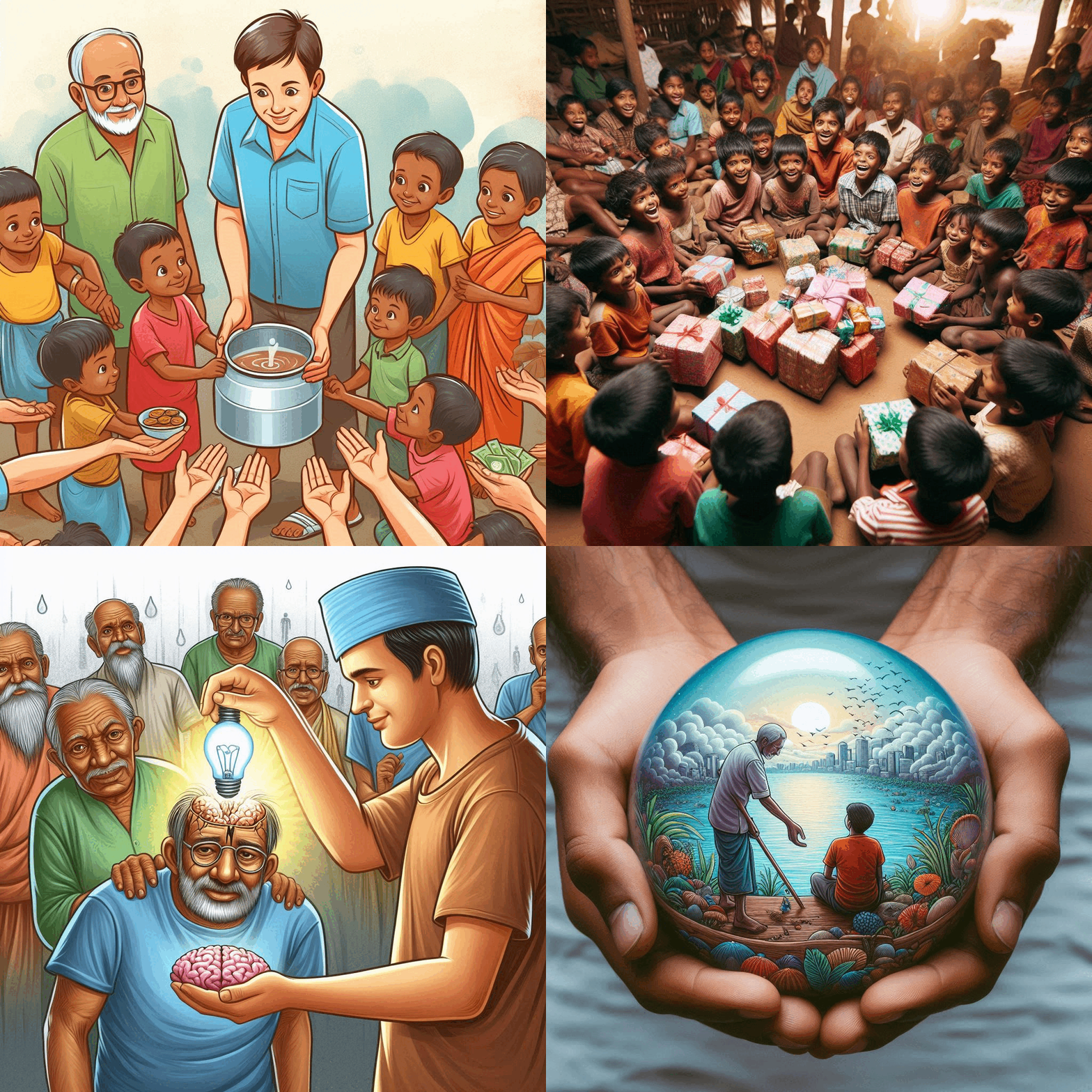
|
|
"The best way to find yourself is to lose yourself in the service of others." | |
ஆண்களுடன் தொடர்புடைய மனநிலை குறைபாடுகள்மனதிறனின்மை என்பது ஆண்களின் ஆரோக்கியத்தில் பெரும்பாலும் கவனிக்கப்படாத ஒரு பரிசோதனை. சமூகத்தில் ஆண்கள் தங்கள் உணர்ச்சிகளை வெளிப்படுத்துவதிலிருந்து தடுக்கப்படுகின்றனர், இது அவர்களுடைய மனநலம் பாதிக்கப்படுவதற்கான காரணமாக இருக்கின்றது. ஆராய்ச்சிகள் தெரிவிக்கின்றன, ஆண்கள் மனோவியாத பிரச்சனைகளை அதிகமாக அனுபவிப்பதற்கு சைட்டோசோசியல் காரணங்கள், அழுத்தம், வேலைப்பளு, குடும்பக் கோரிக்கைகள் மற்றும் சமூக ஒப்புக்கொள்பவைகளின் சிரமங்களை எளிதாக எதிர்கொள்ளவில்லை என்பதால் இவை முக்கிய பங்கு வகிக்கின்றன. ஆண்களுக்கு மன அழுத்தம், வியர்க்கல், கவலைக்குறைவு, மற்றும் ஆற்றலின்மை போன்ற அறிகுறிகள் அதிகமாக அறியப்படுகின்றன, ஆனால் இதனை முன்பே சிகிச்சை பெறுவதற்கு பெரும்பாலும் அவர்கள் தயங்குகின்றனர். இதனால், அவர்களின் உணர்ச்சிகளுக்கு உரிய ஆதரவு இல்லாமல், அவர்கள் அதனை நிலையாக அனுபவிக்க நேரிடுகிறது. ஆண்களில் அவ்வப்போது அதிர்ச்சியும், சிரமமான சூழ்நிலைகளில் அவர்கள் மனதைத் தூக்கிவிடும் வகையில் பதட்டம் உருவாகும். இந்த வகையான பதட்ட அசாத்திய உணர்வு, உடலில் பல்வேறு உணர்ச்சிகளை உண்டாக்கும், அது தலைவலி, உள்ளுணர்வு குறைபாடு, நீண்ட நேரம் அமைதியற்ற நிலையில் இருப்பதுபோன்றவற்றை உருவாக்குகின்றன. ஆண்கள் பதட்டத்திலிருந்து விலகி, ஏற்கனவே நிகழ்ந்த பிரச்சினைகளை தங்களுக்குள் பதுங்கி விடுவதன் மூலம், இவற்றின் தீவிரத்தை அதிகப்படுத்துகின்றனர். தங்கள் ஆண்மையின் மற்றும் சுயமிகுவின் காரணமாக அவர்கள் மனநலத்திற்கு தேவையான கவனத்தைப் பெறுவதில் பின்னடைவை சந்திக்கின்றனர். இந்த நிலையை சரி செய்ய எளிதாக இல்லை, ஆனால் பூரண சிகிச்சை மற்றும் பயிற்சிகள் மூலம், ஆண்கள் இதற்கு தீர்வு காண முடியும். |
|
|
மனஅழுத்தம் (Depression)மனஅழுத்தத்தின் அறிகுறிகளில் தொடர்ச்சியான துக்கம், ஊக்கமின்மை, தூக்க மற்றும் உணவு பழக்கங்களில் மாற்றங்கள், உடல் வலிகள், மற்றும் தனிமை உணர்வு முக்கியமாக உள்ளன. மேலும், தன்னம்பிக்கை குறைவு, கவனமின்மை, மற்றும் தற்கொலை எண்ணங்கள் போன்ற ஆழமான உள் உணர்வுகளும் தோன்றலாம். ஆண்களுக்கான மனஅழுத்தம் (Depression) என்பது பெரும்பாலும் சமூகத்தில் அதிகமாக கவனிக்கப்படாமல் போகும் ஒரு மனநலம் சம்பந்தப்பட்ட பிரச்சனை. ஆண்கள் தங்களுடைய உணர்வுகளை வெளிப்படுத்துவதில் மறுக்கின்றனர், அதனால் மனஅழுத்தத்தின் அறிகுறிகள் வெளிப்படையானதாக காணப்படுவதில்லை, இது அவர்களை தனிமை மற்றும் வேதனையில் மூழ்க வைக்கும். தங்கள் செயல்பாட்டில் குறைவுகள், உடல் வலிகள், தூக்கமின்மை அல்லது அதிக தூக்கம், உணவு பழக்கங்களில் மாற்றங்கள் போன்ற அறிகுறிகள் காணப்படுகின்றன, ஆனால் பெரும்பாலும் இது மனிதர்களின் மனநல பிரச்சனையாக பார்க்கப்படாது. ஆண்கள் வழக்கமாக சகிப்புத்தன்மை, சுயமிகு போதுமான உறுதி மற்றும் வேலைவாய்ப்பு கடமைப்புகளுக்கு முன்னுரிமை கொடுக்கின்றனர், இதனால் அவர்கள் மனநலம் குறைவதையும், செயலாற்றல் குறையும் போதுமான ஆதரவற்ற நிலையில் இருப்பதையும் உணராமல் செல்கின்றனர். இது இந்நிலையில் அவர்களுக்கு சரியான உதவி பெறுவதில் இடைஞ்சல் ஏற்படுத்துகிறது. ஆனால், சமூகம் இந்தப் பிரச்சனையைப் பற்றி பேசுவதில் ஒத்துழைப்பு காட்டத் தொடங்குகிறது, ஏனென்றால் மனஅழுத்தம் ஆண்களிலும் பலவாக முன்னேறி வருகிறது, இதனால் அவர்கள் உடலை மட்டுமே கவனித்து, உணர்வுகளை மறைக்கின்றனர். இப்போது இந்த பிரச்சனைக்கு பொதுவாக சமுதாயம், தொழில்நுட்பர்கள் மற்றும் மருத்துவர்கள் மனஅழுத்தத்தை அறிந்துள்ளார்கள், மேலும் ஆண்களின் மனநலனுக்கான அடையாளங்களையும், தேவையான மனப்பக்குவத்தை உருவாக்கும் முறைகளையும் பகிர்ந்துகொள்கிறார்கள். |
|
|
பதட்ட நோய்கள் (Anxiety Disorders)ஆண்களில் பதட்டமாதிரியான மனநல நிலைகள், அதிக கவலை, உடல் அசாதாரணங்கள், அடிக்கடி தலைவலி மற்றும் நடுக்கம் போன்ற அறிகுறிகளை உருவாக்கும். அதோடு, தூக்கமின்மை, மன அழுத்தம், செரிமான பிரச்சினைகள், மற்றும் சமூக வழிகாட்டியின் குறைபாடு போன்றவற்றையும் காணலாம். ஆண்களில் தாங்க முடியாத அழுத்தம் மற்றும் பதட்டம் ஏற்படும் ஆண்மையில் அஞ்சல் மற்றும் பதட்ட களைப்பு என்பது மிகவும் பொதுவான நிலையாக மாறி வருகிறது. அதிகமான பதட்டங்களை அனுபவிப்பவர்கள், பொதுவாக, தங்கள் உள் உணர்வுகளை வெளிப்படுத்துவதில் சிரமப்படுவார்கள், மேலும் இதனால் அவர்கள் தனிமை, உறவுகளில் பிரச்சினைகள் மற்றும் வேலைக்கான உறுதிப்பாடு இழப்புகள் போன்றவற்றை எதிர்கொள்வார்கள். ஆண்கள் தங்கள் உணர்வுகளை மறைத்து "வலிமையானவராக" செயல்படுவதால், அவர்கள் மனநல பராமரிப்பு குறித்த முக்கிய அறிவை பெறுவதில் சிக்கல்களை சந்திக்கின்றனர். பதட்டத்தின் பொதுவான அறிகுறிகள் அடிப்படையாகும் - அதாவது, எப்போது எந்தவொரு கஷ்டம், உடல் வலி, அல்லது குழப்பம் தோன்றும் என்ற குழப்பத்தில் இருக்கின்றனர், மேலும் அதனால் மனதில் மேலதிக கவலை மற்றும் எண்ணங்களை அதிகப்படுத்துகிறது. இதற்கு பின்வரும் காரணமாக மருந்து, மனநலம் பராமரிப்பு மற்றும் வழிகாட்டி உதவியுடன் பாதிப்புகளை சமாளிக்க உதவ முடியும். ஆண்களில் அவ்வப்போது அதிர்ச்சியும், சிரமமான சூழ்நிலைகளில் அவர்கள் மனதைத் தூக்கிவிடும் வகையில் பதட்டம் உருவாகும். இந்த வகையான பதட்ட அசாத்திய உணர்வு, உடலில் பல்வேறு உணர்ச்சிகளை உண்டாக்கும், அது தலைவலி, உள்ளுணர்வு குறைபாடு, நீண்ட நேரம் அமைதியற்ற நிலையில் இருப்பதுபோன்றவற்றை உருவாக்குகின்றன. ஆண்கள் பதட்டத்திலிருந்து விலகி, ஏற்கனவே நிகழ்ந்த பிரச்சினைகளை தங்களுக்குள் பதுங்கி விடுவதன் மூலம், இவற்றின் தீவிரத்தை அதிகப்படுத்துகின்றனர். தங்கள் ஆண்மையின் மற்றும் சுயமிகுவின் காரணமாக அவர்கள் மனநலத்திற்கு தேவையான கவனத்தைப் பெறுவதில் பின்னடைவை சந்திக்கின்றனர். இந்த நிலையை சரி செய்ய எளிதாக இல்லை, ஆனால் பூரண சிகிச்சை மற்றும் பயிற்சிகள் மூலம், ஆண்கள் இதற்கு தீர்வு காண முடியும். | |
|
இரட்டைப் பொறி குறைபாடு (Bipolar Disorder)இரட்டைப் பொறி குறைபாட்டின் அறிகுறிகளில், ஒருவரின் மனநிலை அதிரடியான உயர்வுகளும் (மாணிக்க நிலைகள்) ஆழமான கீழ்வர்களும் (மனஅழுத்தம்) அடிக்கடி மாறி செல்லும். இதன் மூலம், அதிக ஆவல், அசாதாரணக் குணாதிசயங்கள், உறவுகளிலும், வேலையிலும் கவலை மற்றும் செயல்திறன் குறைபாடுகள் ஏற்படுகின்றன. ஆண்களில் இரட்டைப் பொறி குறைபாடு (Bipolar Disorder) என்பது மனநலத்தின் மிக சிக்கலான மற்றும் தீவிரமான நிலைகளில் ஒன்றாகும், இதில் ஒருவரின் மனநிலை வழக்கமான அளவுக்கு அப்பாற்பட்ட பரபரப்புகளுடன் அலைபேசி போல் மாறிக்கொள்கிறது. இந்த நிலை, பெரும்பாலும் உணர்ச்சி பாதிப்புகள், மனச்சோர்வு, மற்றும் உயர் ஆர்வ நிலைகளில் வித்தியாசமான மாற்றங்களை ஏற்படுத்தும், இதில் ஒருவர் விரைவில் அதிர்ச்சி அல்லது கவலைகளுக்கு உள்ளாகிக் குறைவான உணர்வுகளுடன் செல்வதோ, அல்லது அதிகமான ஆவலுடன் மிகுந்த சாதனை எதிர்பார்ப்புகளோடு செயலில் ஈடுபடுவாராகவும் இருக்க முடியும். ஆண்கள் இந்த நிலையை அறிந்துகொள்ளவோ அல்லது எதிர்கொள்ளவோ கடினமாக இருக்கலாம், ஏனெனில் அவர்கள் மனநல பிரச்சனைகளை வெளிப்படுத்துவதில் குறைவாக இருந்தாலும், இந்த உணர்ச்சித் திருப்பங்கள் அவர்களது உறவுகளையும், வேலைப்பாட்டையும் பெரும்பாலும் பாதிக்கும், மேலும் அசாதாரணமான நடத்தைகளை முன்னெடுக்கலாம். இரட்டைப் பொறி குறைபாட்டின் அறிகுறிகள் சில நேரங்களில் ஆழமான மனஅழுத்தம் மற்றும் ஆர்வமிகு நிலைகளின் அலைபோக்கு போன்ற உணர்வுகளை கிளப்புகின்றன, இதில் ஒருவர் மிகுந்த உளரீதியான சோர்வு, தன்னம்பிக்கை இழப்பு மற்றும் விறுவிறுப்பு போன்ற உணர்வுகளை அனுபவிக்கிறார். இதனால் அவர்களது உடல் செயல்பாடுகளிலும், உறவுகளிலும், சமூக தொடர்புகளிலும் பெரும் பாதிப்புகள் ஏற்படுகின்றன. பொதுவாக, ஆண்கள் இந்த வகையான மனநல நிலைகளை வெளிப்படுத்துவதில் எப்போதும் விரும்பவில்லை, அது அவர்களுக்கு தடை விதித்து, மருத்துவரை அணுகுவதில் பின்னடைவை ஏற்படுத்தி, சரியான சிகிச்சை பெறுவதில் சிரமங்களை உருவாக்குகிறது. எனவே, இந்த நிலையை அறியவும், ஆதரவு பெறவும், சிகிச்சைகளை தவிர்க்காமல் தொடர்ந்துதான் அவர்கள் சமாளிக்க முடியும். | |
|
சிக்கோப்ரினியா(Schizophrenia)சிக்கோப்ரினியாவின் அறிகுறிகள் மனவாயு மாற்றங்கள், உண்மையில்லாத எண்ணங்கள் (hallucinations), மற்றும் விருப்பம் இல்லாத நடத்தை போன்றவற்றைக் கொண்டுள்ளன. மேலும், சிந்தனை அல்லது உணர்வு மாறுதல், அத்தியாவசிய சமூக மற்றும் தொழில்நுட்ப செயல்களில் பங்கு பெறும் திறன் குறைபாடு போன்ற அறிகுறிகள் பொதுவாக தோன்றுகின்றன. சிக்கோப்ரினியா என்பது ஒரு மனநோய் வகையாகும், இதில் பாதிக்கபட்ட நபரின் சிந்தனை, உணர்வு மற்றும் நடத்தை எல்லாம் தவறாக மாற்றம் அடைகின்றன. இது பொதுவாக மனதை மந்தமான, குழப்பமான, உணர்ச்சிமிகு மற்றும் சரியான முடிவுகளைக் கொடுக்க முடியாத நிலையில் ஆக்குவதாகும், மேலும் உண்மையில்லாத எண்ணங்கள், விரும்பிய அல்லது பயந்த பரிமாணங்களை உணர்தல் (hallucinations) போன்றவை தோன்றுகின்றன, இதனால் நோயாளி மற்றவர்களுடன் தொடர்பு கொள்ள அல்லது அவரின் அன்றாட செயல்களில் ஈடுபட மிகுந்த சிரமங்களை எதிர்கொள்கிறார். சிக்கோப்ரினியாவின் காரணங்கள் முழுமையாக புரிந்துகொள்ளப்படவில்லை, ஆனால் மூளை அறிவியல், மரபணு மற்றும் சூழலியல் காரணிகள் இவற்றின் சேர்க்கையை ஒரு காரணமாகக் கருதப்படுகிறது. இந்த நோய் பொதுவாக திடீரென அல்லது மெதுவாக துவங்குகிறது, அதே சமயம் மனச்சோர்வு, பதட்டம் அல்லது உணர்வு சோர்வு போன்ற அறிகுறிகளுடன் கூடிய மன அழுத்தங்களைத் தூண்ட முடியும். நோயின் சிகிச்சையில் மருந்துகளும், மனநல ஆலோசனைகளும் முக்கிய பங்கு வகிக்கின்றன, மேலும் பராமரிப்பு மற்றும் ஆதரவின் மூலம் பாதிக்கப்பட்ட நபர் குணமடையலாம். | |
|
ஒப்ஸசிவ்-கம்பல்சிவ் டிஸோர்டர் Obsessive-Compulsive Disorder(OCD)ஒப்ஸசிவ்-கம்பல்சிவ் டிஸோர்டரின் அறிகுறிகளில், பாதிக்கப்பட்ட நபர் தொடர்ந்து விரும்பாத, கவலைக்கிடமான எண்ணங்களை (ஒப்ஸசிவ்) அனுபவிக்கிறார், மேலும் அந்த எண்ணங்களை குறைக்க அல்லது தடுக்க compulsive (துன்பகர) செயல்களைப் புரிய வேண்டும். இந்த compulsive செயல்களில் கைகளை மீண்டும் மீண்டும் கழுவுதல், பொருட்களை வரிசைப்படுத்துதல் அல்லது பூரணமாக சரிபார்க்காததைத் தவிர்க்கும் வகையில் செயல்கள் அடிக்கடி நிகழ்ந்துகொண்டிருக்கும். ஒப்ஸசிவ்-கம்பல்சிவ் டிஸோர்டர் (OCD) என்பது ஒரு மனநோயானது, இதில் பாதிக்கப்பட்ட நபர் மனதில் பரிதாபமான, தொடர்ச்சியான மற்றும் விரும்பாத எண்ணங்களை (ஒப்ஸசிவ் எண்ணங்கள்) அனுபவிப்பார், மேலும் இந்த எண்ணங்களை தடுக்க அல்லது அவற்றை சமாளிக்க compulsive (நோயின்மை) செயல்களை நிறைவேற்றுவார். இந்த compulsions பொதுவாக தொடர்ச்சியான சோதனை செய்யும் செயல்களாக, பொருட்களை வரிசைப்படுத்துவது, கைகளை மீண்டும் மீண்டும் கழுவுவது அல்லது சீரற்ற வழிகளில் உறுதி செய்வது போன்ற செயல்களாக இருக்கும், இவை நபரின் அன்றாட வாழ்க்கையை பாதிக்கக்கூடிய அளவில் மிகவும் விரும்பாத மற்றும் துன்பகரமானதாக இருக்கும். OCD இல் நோயாளி தனது செயல்களில் எப்போதும் நம்பிக்கை இல்லாமலும், அவை முற்றிலும் அர்த்தமில்லாததாக இருந்தாலும், அந்த compulsive செயல்களை தடுக்க முடியாது என்பதே இத்தொகுப்பு நோயின் மையம். இந்த நோயின் காரணமாக மன அழுத்தம் அதிகரிக்கும், அதுவே நபரின் நலன் மற்றும் சமூகச் சூழல்களில் உற்பத்தி செய்யும் செயல்களை முடுக்கி அமைத்துவிடும். ஓரளவு மருந்துகள் மற்றும் குணப்படுத்தும் மனரீதியான சிகிச்சைகளின் மூலம் இந்த நோயின் கட்டுப்பாட்டை அடைய முடியும், ஆனால் அது முற்றிலும் குணமாகும் வரை, நீண்டகால பராமரிப்பு தேவைப்படக்கூடும். | |
|
போஸ்ட்-டிராமாடிக் ஸ்டிரஸ் டிஸோர்டர் Post-Traumatic Stress Disorder(PTSD)போஸ்ட்-டிராமாடிக் ஸ்டிரஸ் டிஸோர்டரின் அறிகுறிகளில், மனதில் கடுமையான பயம், நினைவுகூரல், அல்லது அந்த பரிதாபகரமான அனுபவங்களை மீண்டும் அனுபவிப்பதற்கான பயம் ஏற்படுகிறது. மேலும், தூக்கமின்மை, உணர்ச்சிகளில் திடீர் மாற்றம், மனஅழுத்தம், ஏற்கனவே நிகழ்ந்த தவறுகளை மீண்டும் சிந்திக்காத சீரற்ற நடத்தை போன்ற அறிகுறிகளும் இருக்கின்றன. போஸ்ட்-டிராமாடிக் ஸ்டிரஸ் டிஸோர்டர் (PTSD) என்பது ஒரு மனநோயாகும், இது ஒருவர் கடுமையான மனச்சிதிலம் ஏற்படுத்தும் அனுபவங்கள், எச்சரிக்கை சம்பவங்கள் அல்லது பரிதாபகரமான நிலைகளின் பின்னர் உருவாகிறது. இந்த நிலை காரணமாக, பாதிக்கப்பட்ட நபர் அந்த அனுபவங்களை மீண்டும் நினைவுகூர்வதோ அல்லது மறுபடியும் நிகழ்ந்துவிடும் என்ற பயத்தோ, தனக்கே எதிரான மனக்கசிவுகளோ, தூக்கத்தின்மை, மனஅழுத்தம் போன்ற அடிக்கடி விளைவுகள் உருவாகின்றன, மேலும் அது அவரது அன்றாட வாழ்க்கையை, வேலை, குடும்ப மற்றும் சமூக உறவுகளை பாதிக்கும் வகையில் பரவலாக செயல்படுகிறது. PTSD இல் நோயாளி விகிதாசாரமாக "புனித நிகழ்வுகளுக்கு" முன்பிருந்த அல்லது அதன் பிறகு கண்டுள்ள பாதிப்புகளை மறக்க முடியாமல் துயரங்கள் அல்லது பயம், தொடர்ந்து மனஅழுத்தம் போன்றவற்றின் காரணமாக தீவிரமாகக் கஷ்டப்படுவார். இந்த நோயின் அறிகுறிகள் ஆழ்ந்த உளரீதியான சிகிச்சைகள் மற்றும் உறுதியான ஆதரவின் மூலம் சரிசெய்யப்படலாம், ஆனால் சில வழிகளிலும், இது நீண்டகால பராமரிப்பைப் பெரும்பாலும் தேவைப்படுத்துகிறது. | |
|
பெர்சனாலிட்டி டிஸோர்டர்ஸ் (Personality Disorders)பெர்சனாலிட்டி டிஸோர்டரின் அறிகுறிகளில், நோயாளி தன்னுடைய எண்ணங்கள், உணர்ச்சிகள் மற்றும் நடத்தை முறைகளில் திடீர், மாற்றமான மற்றும் அசாதாரணமான தன்மையை அனுபவிக்கிறார். இது அவரின் சமூகம், உறவுகள், பணிகள் மற்றும் அடிப்படை வாழ்க்கைத் திறன்களில் கடுமையான பாதிப்பை ஏற்படுத்தி, மனிதநேய தொடர்புகளில் சிக்கல்களை உருவாக்குகிறது. பொருள் குறைவான மனநிலைகள் அல்லது பரவலான எண்ணப் பிழைகள் கொண்ட மனநோய்களான பொருண்மையான மனநிலைகளுக்கான disorder வகையை "பெர்சனாலிட்டி டிஸோர்டர்ஸ்" (Personality Disorders) என்று அழைக்கின்றனர், இதில் நோயாளி தனது எண்ணங்களையும், உணர்வுகளையும் மற்றும் நடத்தையும் அசாதாரணமாக அல்லது ஒழுங்கின்மை உள்ளதாக அனுபவிக்கிறார். இவை குறிப்பாக, ஒருவர் தன்னுடைய அன்றாட வாழ்க்கையில் மன அழுத்தத்தை எதிர்கொள்வதில், உறவுகளுக்கு பாதிப்பு ஏற்படுத்துவதிலும், செயல்களில் கவனம் மற்றும் சமூகத் தொடர்புகளில் எளிதில் பிரச்சினைகள் உண்டாக்குவதிலும் வெளிப்படுகின்றன, மேலும் இந்த disorder நோயின் நோயாளி தனது மனநிலை பற்றிய உணர்வைக் கைவிட முடியாது. பெர்சனாலிட்டி டிஸோர்டர்கள் பலவகைகளில் பிரிக்கப்படுகின்றன, அவை பொதுவாக உளரீதியான பிரச்சினைகள், உணர்ச்சி பரிமாற்றம், மற்றும் கடுமையான எண்ணவியல் அல்லது தொடர்பு பரிதாபங்களுடன் கூடிய உள்ளன. இவை மன அமைதியின் செயல்பாடுகளில் மாற்றங்களைக் கொண்டிருக்கின்றன, இங்கு நோயாளி மற்றவர்களோடு உறவுகொள்வதில், தன்னை அறியாத இடர்பாடுகளைக் கொண்டிருப்பது மற்றும் சமூகச் சூழலில் திடீரென அல்லது பிறகு தோன்றும் பிரச்சினைகள் ஏற்படும். | |
|
அட்டெண்டியன்-டெபிசிட்/ஹைப்பர்ஆக்டிவிட்டி டிஸோர்டரின் Attention-Deficit/Hyperactivity Disorder(ADHD)அட்டெண்டியன்-டெபிசிட்/ஹைப்பர்ஆக்டிவிட்டி டிஸோர்டரின் (ADHD) அறிகுறிகளில், ஒருவருக்கு கவனத்தை நிலைத்துவைக்கும் அல்லது செயல்களில் ஒருங்கிணைப்பை அடைவதில் கடுமையான சிரமங்கள் ஏற்படும். மேலும், அதிக சக்தி, வெட்கமாக இருப்பது, இடைவிடாமல் பேசுவது, மற்றும் குழப்பம் அல்லது விரைவாக செயல்படுவதை வெளிப்படுத்தும் தன்மை பரவலாக காணப்படும். அட்டெண்டியன்-டெபிசிட்/ஹைப்பர்ஆக்டிவிட்டி டிஸோர்டர்ஒர் (ADHD) என்பது குழந்தைகளிலும், சில நேரங்களில் பெரியவர்களிலும் காணப்படும் ஒரு நரம்பியல் நிலை ஆகும், இதில் அதிக ஆர்வம், கவனக் குறைபாடு மற்றும் செயல் வெடிப்பு போன்ற அறிகுறிகள் அதிகமாக காணப்படுகின்றன. இந்த disorder இல் உள்ளவர்கள், அவர்களின் அன்றாட செயல்களில் கவனம் செலுத்துவதில் மற்றும் திடீர் அல்லது எண்ணிக் காணாமல் செயல் புரியுவதைத் தவிர்க்க, மனதின்மையே, வெகுவாக இழப்புகளை அனுபவிக்கின்றனர்; அதனால் அவர்களின் கல்வி, வேலை மற்றும் சமூக உறவுகளில் பெரும்பாலும் சிரமங்கள் ஏற்படுகின்றன. ADHD இன் காரணமாக, நோயாளி மாறுபட்ட அறிகுறிகளைக் கொண்டிருப்பார், அதில் முக்கியமாக, ஒற்றுமையற்ற நினைவுகளை விட்டு, ஒரே நேரத்தில் பல விஷயங்களை கவனிக்க முயற்சி செய்வது மற்றும் திடீரென்று செயல்படுவதை அனுபவிப்பதும் அடிக்கடி உண்டாகின்றன. இதில் மருந்துகள் மற்றும் மனநல பராமரிப்பு உதவியுடன், நோயாளி வழக்கமான வாழ்வில் பங்கேற்க கற்றுக்கொள்ள முடியும், ஆனால் இது நீண்டகால பராமரிப்பு மற்றும் கவனிப்பு தேவைப்படும் ஒரு நிலையாக இருக்கும். | |
|
சப்ஸ்டன்ஸ் யூஸ் டிஸோர்டர் (Substance Use Disorder)சப்ஸ்டன்ஸ் யூஸ் டிஸோர்டரின் அறிகுறிகளில், ஒரு நபர் ஒழுக்கம் மாறி, நகைச்சுவை, உணர்ச்சி நிலை மாற்றங்கள், மற்றும் அடுத்தடுத்து ஒரு போதுமான தொகையை நுகர்வதற்கான மோசமான விருப்பம் காட்டுவார். மேலும், உடல்நிலை, தொழில்நுட்ப திறன், மற்றும் சமூக உறவுகளில் கடுமையான பாதிப்புகள் ஏற்படும், இது வாழ்க்கையின் அங்கங்கள் அனைத்திலும் கடுமையான சிரமங்களை உருவாக்கும். சப்ஸ்டன்ஸ் யூஸ் டிஸோர்டர் (Substance Use Disorder) என்பது ஒருவர் வழக்கமாக போதைப்பொருள்கள், மது அல்லது மருந்துகளை அதிக அளவில் மற்றும் குறியிடப்பட்ட விதத்தில் பயன்படுத்துவதன் மூலம் உருவாகும் மனநிலை மாற்றமாகும். இந்த disorder இல் பாதிக்கபட்ட நபர், இதனை ஒழிப்பதற்கான முயற்சிகளில் பலவிதமான தோல்விகளை எதிர்கொள்கிறார், மற்றும் அவர்களின் உடல் மற்றும் மனநிலை மீது பாரிய பாதிப்புகள் ஏற்படுகின்றன; இதன் மூலம், அவரின் தனிப்பட்ட உறவுகள், வேலை, கல்வி, மற்றும் சமூக வாழ்க்கையில் கடுமையான பிரச்சினைகள் உருவாகும், இது ஒரு பரிணாம நிலைக்கு மாறுகிறது. சப்ஸ்டன்ஸ் யூஸ் டிஸோர்டரின் அறிகுறிகள் பொதுவாக போதைப்பொருள் பற்றிய அதிக எண்ணப்பற்றுதல், அதற்கான மீண்டும் மீண்டும் பயன்பாடு மற்றும் அதனாலான உடல் மற்றும் மன அழுத்தம் ஆகியவற்றைக் கொண்டிருக்கும். இந்த disorder பல்வேறு வகைகள் கொண்டது, மற்றும் மருந்துகள், மது, நச்சுகளின் அல்லது மற்ற போதைப்பொருட்களின் அதிகப்படியான பயன்பாடு, நோயாளியின் வாழ்க்கையை முற்றிலும் பாதிப்பதுடன், பாரிய உடல் மற்றும் மனஅழுத்தங்களைக் கொண்டுவருகிறது. | |
|
ஈட்டிங் டிஸோர்டர்ஸ்-Eating Disordersஈட்டிங் டிஸோர்டரின் அறிகுறிகளில், ஒருவர் உணவுக்கான ஆர்வத்தை கட்டுப்படுத்த முடியாமல், உணவின் அளவு மற்றும் வகையில் கடுமையான கட்டுப்பாடுகள் மற்றும் மாற்றங்களை காண்பார். இதன் மூலம், உடல் எடையை அதிகமாக குறைப்பதற்கான முயற்சிகள், அதிக உணவு விழிகள் (binge eating), அல்லது உணவு மறுக்கல் (anorexia) போன்ற செயற்பாடுகள் ஏற்படும், இது உடல் மற்றும் மனநிலை பாதிப்புகளுக்கு வழிவகுக்கும். ஈட்டிங் டிஸோர்டர்ஸ் என்பது உணவுக்கான ஆர்வம் மற்றும் அதன் உபயோகத்தை கட்டுப்படுத்துவதில் தன்மை மாறிய, உணவு உட்கொள்ளும் பழக்கங்களில் கடுமையான மாற்றங்களை ஏற்படுத்தும் ஒரு மனநிலை பிரச்சினையாகும். இதில், ஒருவரின் உணவுக்குரிய எண்ணங்கள் மற்றும் நடத்தைகள் அவனின் உடல் எடையை கட்டுப்படுத்துவதற்கான ஒரு இடையூறாக மாறி, அசாதாரணமான உணவுக் குறைபாடு, அல்லது அதிக உணவு உண்பதை (binge eating) தடுக்கும் அல்லது தவிர்க்கும் முறைகள் உருவாகின்றன, இது உடல் மற்றும் மன ஆரோக்கியத்திற்கும், நலனுக்கும் தீவிரமான பாதிப்புகளை ஏற்படுத்துகிறது. இது பொதுவாக அநேக மன அழுத்தம், தன்னிறைவு பற்றிய குறைபாடு மற்றும் மனவளர்ச்சி பிரச்சினைகளுடன் இணைந்து காணப்படுகிறது, மேலும் உடல் எடை குறைபாட்டை அல்லது அதிக உணவுப் பழக்கங்களை தவிர்ப்பதில் ஆர்வம் மற்றும் கட்டுப்பாட்டின் மீதான சராசரி அறிவுக் குறைபாடுகளைக் கொண்டுள்ளது. இந்த நோயின் அறிகுறிகள் சில நேரங்களில் அறியாமலேயே ஒரு நபரின் ஆழ்ந்த மன நலம் பாதிக்கப்படுவதுடன், உணவுக்குறிய மன அழுத்தங்கள் இந்த disorder ஐ நிரந்தரமாக மாற்றியமைக்க முடியும், அதனால் அதன் சிகிச்சைத் தீர்வுகள் முற்றிலும் நீண்டகால பராமரிப்பைக் கோருகின்றன. | |
|
அகத்தின் பணிஅகம் என்பது மனநிலைப் பாதிப்புகளுக்கு பதில் வழங்கும் சமூக நலத்திட்டமான ஒரு அமைப்பாக செயல்படுகிறது, இது மனநோயாளிகளின் வாழ்க்கையை மேம்படுத்தும் நோக்கில் மன ஆரோக்கியம் மற்றும் உளவியல் சிகிச்சை சேவைகளை வழங்குகிறது. இந்த அமைப்பு மனவேதனைகளை அனுபவிக்கும் நபர்களுக்கான ஆதரவு குழுக்களை உருவாக்கி, அவர்கள் எதிர்கொள்ளும் உணர்ச்சி மற்றும் மன அழுத்தங்களை சமாளிக்க முறைகள், பயிற்சிகள், மற்றும் சிகிச்சைத் திட்டங்களை செயல்படுத்துகிறது, இதன் மூலம் நோயாளி சமூகத்தில் வாழ்வதற்கு தேவையான உரிமைகளை மற்றும் உரிமைகளைக் காக்க உதவுகிறது. அகத்தின் நோக்கம், மனநோய் மற்றும் மனஅழுத்தங்களை முறியடிக்கும் வகையில், பொதுமக்களிடையே விழிப்புணர்வை ஏற்படுத்தி, மனநிலை சார்ந்த பிரச்சினைகளுக்கான அங்கீகாரம் மற்றும் ஆதரவை வழங்குவதும், மற்றும் மன ஆரோக்கியத்தின் பின்பற்றிய வழிகளில் குறைபாடு மற்றும் தடைகளை கடந்துவிட நோக்கத்தில் வேலை செய்கிறது. இது சிகிச்சை, கவனம் மற்றும் மனக்குழு ஆதரவை வழிமொழியும், அதை சமுதாயத்திற்கு பரவலாக கொண்டு செல்ல முயற்சிப்பதும், மனவளர்ச்சியில் ஒரு முக்கிய பங்கு வகிக்கின்றது. |
|