|
Select Language |

|
|
Select Language |
|
Mental Illness Related to OldageMental illness in older adults is a critical and often overlooked aspect of healthcare. As people age, they may experience a range of mental health issues, including depression, anxiety, and dementia-related disorders. Factors such as social isolation, chronic health problems, and the loss of loved ones can exacerbate these conditions, making it essential to address mental wellness alongside physical health. Moreover, the stigma surrounding mental health can prevent older adults from seeking help, leading to a deterioration in their quality of life. Understanding the complexities of mental illness in this demographic is vital for caregivers, families, and healthcare providers to create supportive environments that foster mental well-being. Agham plays a crucial role in addressing these challenges by providing targeted support and resources for older adults experiencing mental health issues. Through community outreach programs, Agham focuses on raising awareness about mental illness and reducing stigma within families and communities. They offer workshops and counseling services tailored specifically for seniors, helping them navigate their emotional challenges. Additionally, Agham emphasizes the importance of social connections, facilitating group activities that promote engagement and reduce feelings of isolation. By integrating mental health support into the overall care of older adults, Agham aims to enhance their emotional resilience and improve their overall quality of life, ensuring that aging individuals receive the comprehensive care they deserve. | 
|
|
Depression- Elderly individuals may experience depression due to factors such as isolation, chronic illness, or loss of loved ones. Symptoms include persistent sadness, loss of interest in activities, and changes in appetite or sleep. Depression is a pervasive mental health condition that affects millions of individuals worldwide, characterized by persistent feelings of sadness, hopelessness, and a lack of interest in previously enjoyed activities. It can significantly impair daily functioning and overall quality of life, impacting relationships, work, and physical health. Various factors contribute to depression, including genetic predispositions, environmental stressors, and significant life changes, such as loss or trauma. Recognizing the symptoms of depression is essential for timely intervention, as early treatment can prevent the condition from worsening and improve recovery outcomes. Despite its prevalence, stigma surrounding mental illness often discourages individuals from seeking help, leaving many to suffer in silence. Agham is dedicated to combating the effects of depression through a multifaceted approach that emphasizes awareness, education, and direct support. The organization conducts community workshops aimed at increasing understanding of depression and its symptoms, helping to destigmatize the condition. They offer counseling services led by trained professionals, providing individuals with a safe space to express their feelings and receive tailored guidance. In addition to individual support, Agham promotes peer support groups, where individuals can share their experiences and build connections, fostering a sense of community and understanding. By integrating mental health education and resources into their initiatives, Agham strives to empower those affected by depression, encouraging them to seek help and ultimately leading to improved mental health outcomes for individuals and communities alike. | 
|
|
Anxiety Disorders- Generalized Anxiety Disorder (GAD), Panic Disorder, and other anxiety-related conditions can affect older adults, often exacerbated by health concerns or major life changes. Anxiety disorders are among the most common mental health conditions, affecting millions of people globally. Characterized by excessive worry, fear, and apprehension, these disorders can manifest in various forms, including generalized anxiety disorder, panic disorder, and social anxiety disorder. Individuals with anxiety often experience physical symptoms such as rapid heartbeat, sweating, and difficulty concentrating, which can interfere with daily life and overall well-being. The causes of anxiety disorders can be multifaceted, including genetic factors, environmental stressors, and past traumatic experiences. Given the debilitating nature of these disorders, early identification and intervention are crucial to help individuals regain control over their lives and reduce the impact of anxiety on their daily activities. Agham plays a vital role in supporting individuals struggling with anxiety disorders through a comprehensive approach that focuses on education, counseling, and community engagement. The organization offers workshops and informational sessions designed to raise awareness about anxiety, its symptoms, and effective coping strategies. These educational initiatives aim to reduce stigma and encourage individuals to seek help when needed. Agham also provides access to mental health professionals who offer personalized counseling, helping clients develop coping mechanisms and strategies to manage their anxiety effectively. Additionally, Agham fosters community support through peer groups, where individuals can share their experiences and find solidarity in their struggles. By creating an environment that emphasizes understanding and support, Agham empowers individuals with anxiety disorders to navigate their challenges and improve their overall quality of life. | 
|
|
Dementia- Includes Alzheimer’s Disease, Vascular Dementia, and other forms of cognitive decline that affect memory, thinking, and behavior. Alzheimer’s is the most common form. Dementia is a progressive neurological disorder that affects memory, thinking, and behavior, leading to a decline in cognitive function that interferes with daily life. It encompasses a range of conditions, with Alzheimer's disease being the most common form. As dementia progresses, individuals may experience difficulties with communication, problem-solving, and maintaining personal relationships, resulting in significant emotional and psychological challenges for both patients and their families. The impact of dementia extends beyond the individual, often placing a considerable burden on caregivers who must adapt to the evolving needs of their loved ones. Early diagnosis and intervention can help manage symptoms and improve the quality of life for those affected, making awareness and education vital components in addressing this condition. Agham is committed to supporting individuals with dementia and their caregivers through a holistic approach that combines education, resources, and community support. The organization conducts informative workshops designed to raise awareness about dementia, its symptoms, and effective caregiving strategies, equipping families with the knowledge they need to navigate this complex journey. Agham also provides counseling services tailored to both individuals with dementia and their caregivers, offering emotional support and coping strategies to manage the challenges they face. Furthermore, Agham organizes social engagement programs that promote meaningful interactions, helping to reduce isolation and enhance the well-being of those affected. By fostering a supportive community and providing essential resources, Agham aims to improve the overall quality of life for individuals with dementia and their families, ensuring they feel understood and cared for throughout their journey. | 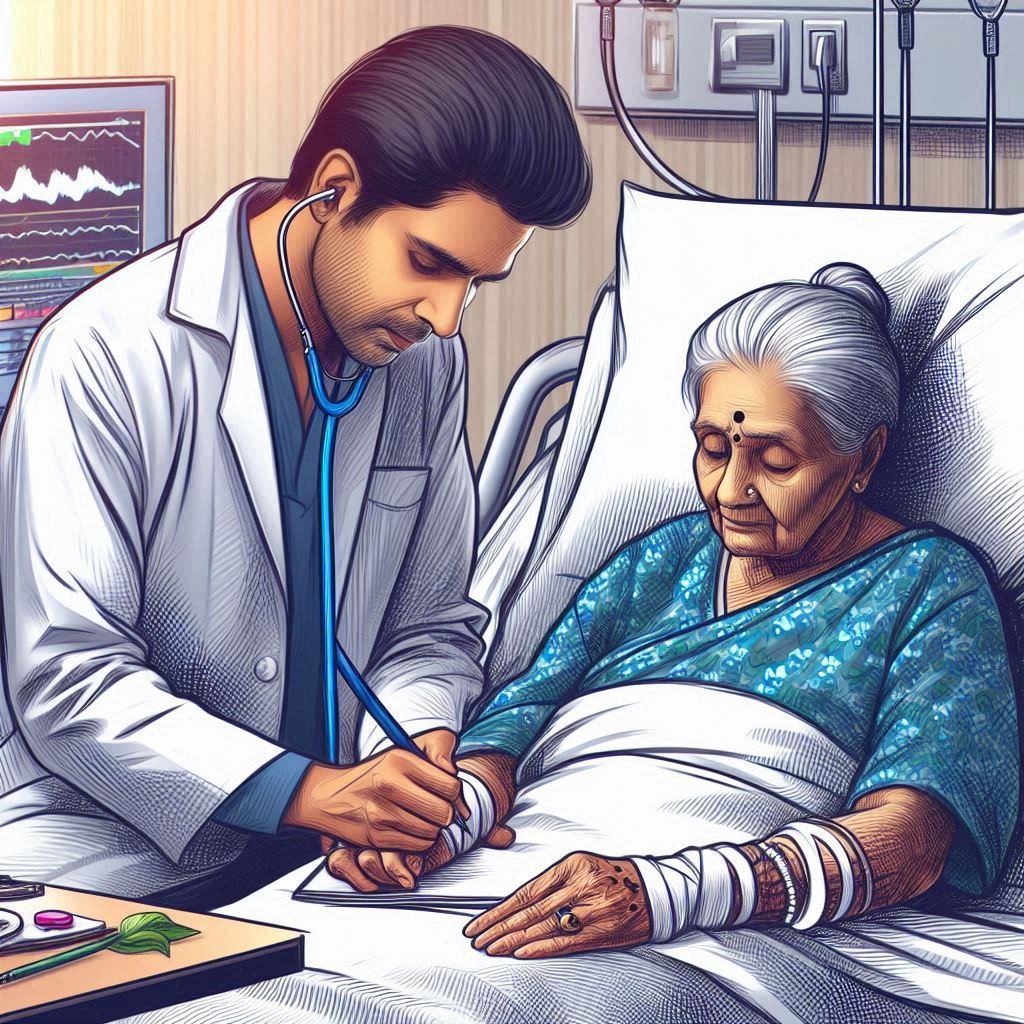
|
|
Delirium- A sudden and severe decline in cognitive function, often caused by acute illness, medication side effects, or changes in environment. Delirium is a serious and often acute mental disturbance characterized by confusion, disorientation, and changes in attention and awareness. It typically arises suddenly and can be triggered by various factors, including infections, metabolic imbalances, medications, and substance withdrawal. Unlike chronic conditions such as dementia, delirium can fluctuate throughout the day, with symptoms worsening at night—a phenomenon often referred to as “sundowning.” Recognizing and treating the underlying causes of delirium is crucial, as it can lead to severe complications if left unaddressed. Effective management requires a comprehensive understanding of the individual’s medical history, current health conditions, and environment to ensure timely intervention and support. Agham is dedicated to providing essential assistance to individuals experiencing delirium, focusing on education, early intervention, and supportive care. The organization conducts workshops aimed at healthcare providers, caregivers, and families to increase awareness about delirium, its symptoms, and effective management strategies. By promoting early recognition of delirium, Agham helps ensure that individuals receive prompt medical attention, which is critical for recovery. Additionally, Agham offers counseling services that guide caregivers on how to create a calming and supportive environment for those experiencing delirium. These services may include training on communication techniques and environmental modifications to reduce confusion. By empowering both caregivers and healthcare professionals with the necessary tools and knowledge, Agham strives to improve outcomes for individuals affected by delirium, ensuring they receive the compassionate care they need during this challenging time. | 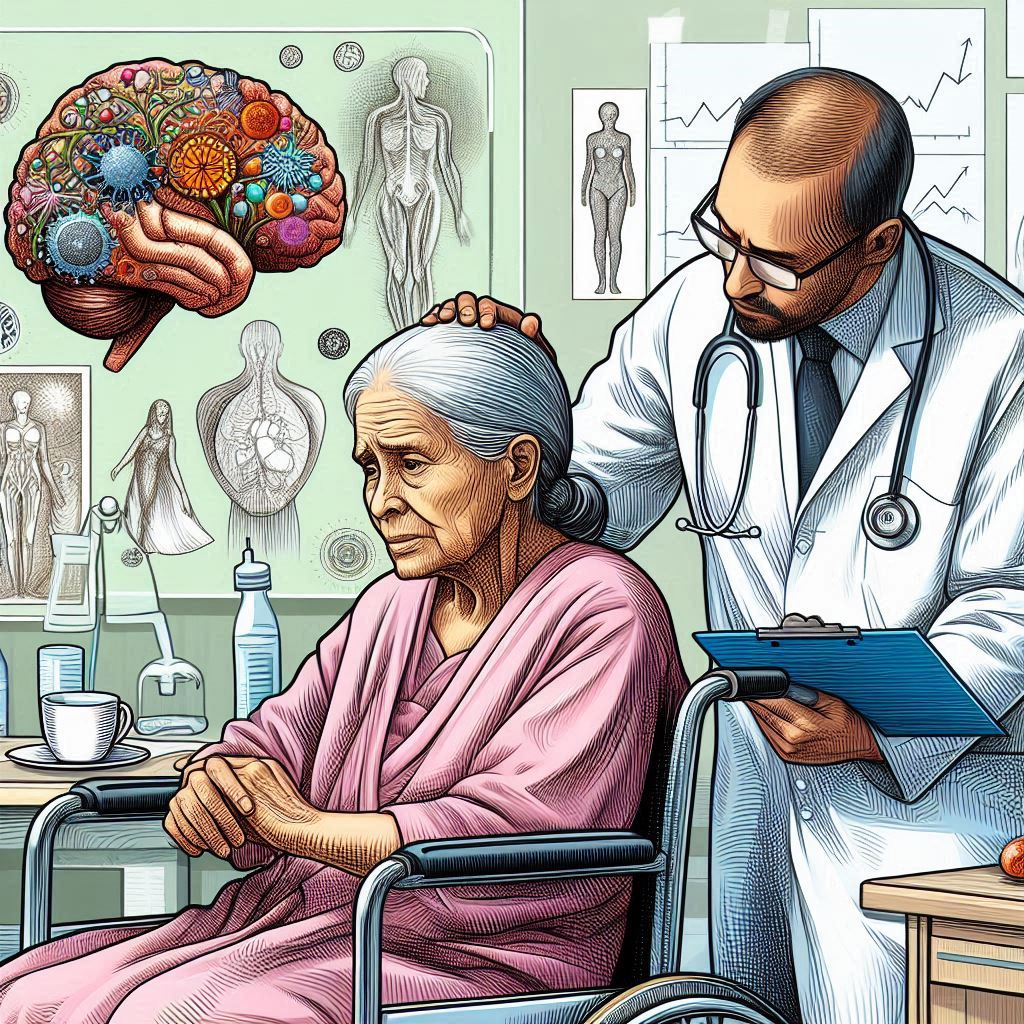
|
|
Bipolar Disorder- Though it often starts earlier in life, bipolar disorder can continue into old age, sometimes presenting with different symptoms or changes in the pattern of episodes. Bipolar disorder is a complex mental health condition characterized by extreme mood swings that range from manic highs to depressive lows. Individuals with bipolar disorder may experience episodes of intense energy, euphoria, and irritability during manic phases, while depressive episodes can lead to feelings of sadness, hopelessness, and a loss of interest in daily activities. These mood shifts can significantly affect a person's relationships, job performance, and overall quality of life. The exact causes of bipolar disorder are not fully understood, but a combination of genetic, environmental, and neurobiological factors is believed to contribute to its onset. Early diagnosis and effective treatment are crucial for managing the symptoms and helping individuals lead fulfilling lives. Agham is committed to supporting those affected by bipolar disorder through a multifaceted approach that encompasses education, counseling, and community engagement. The organization offers workshops aimed at raising awareness about bipolar disorder, helping individuals and families understand its symptoms, triggers, and effective coping strategies. By fostering an environment of understanding and acceptance, Agham works to reduce the stigma associated with mental illness. Additionally, Agham provides access to trained mental health professionals who offer personalized counseling services, assisting clients in developing individualized treatment plans and coping mechanisms. Peer support groups are also organized, allowing individuals to connect and share their experiences, fostering a sense of community and solidarity. Through these initiatives, Agham empowers individuals with bipolar disorder to navigate their challenges, promoting resilience and enhancing their overall well-being. | 
|
|
Schizophrenia- While it typically emerges earlier in life, some individuals may continue to experience symptoms or face challenges related to schizophrenia in older age. Schizophrenia is a severe mental disorder that affects how an individual thinks, feels, and behaves. Characterized by symptoms such as delusions, hallucinations, disorganized thinking, and significant impairments in social and occupational functioning, schizophrenia often emerges in late adolescence or early adulthood. While the exact causes remain unclear, a combination of genetic, environmental, and neurochemical factors is believed to play a role in its development. The experience of schizophrenia can be isolating and distressing, not only for those diagnosed but also for their families and communities. Early intervention and comprehensive treatment are essential for managing symptoms and improving the quality of life for individuals with this condition. Agham is dedicated to supporting individuals with schizophrenia by providing a range of services designed to promote understanding, treatment, and recovery. The organization conducts educational workshops that aim to demystify schizophrenia, addressing common misconceptions and reducing stigma within communities. Agham also offers individualized counseling and therapy sessions led by trained professionals, helping clients develop coping strategies and enhance their social skills. In addition, peer support groups create safe spaces for individuals to share their experiences and connect with others facing similar challenges. By fostering an environment of acceptance and support, Agham empowers individuals with schizophrenia to actively participate in their recovery journey, ensuring they have access to the resources and community connections needed for a fulfilling life. | 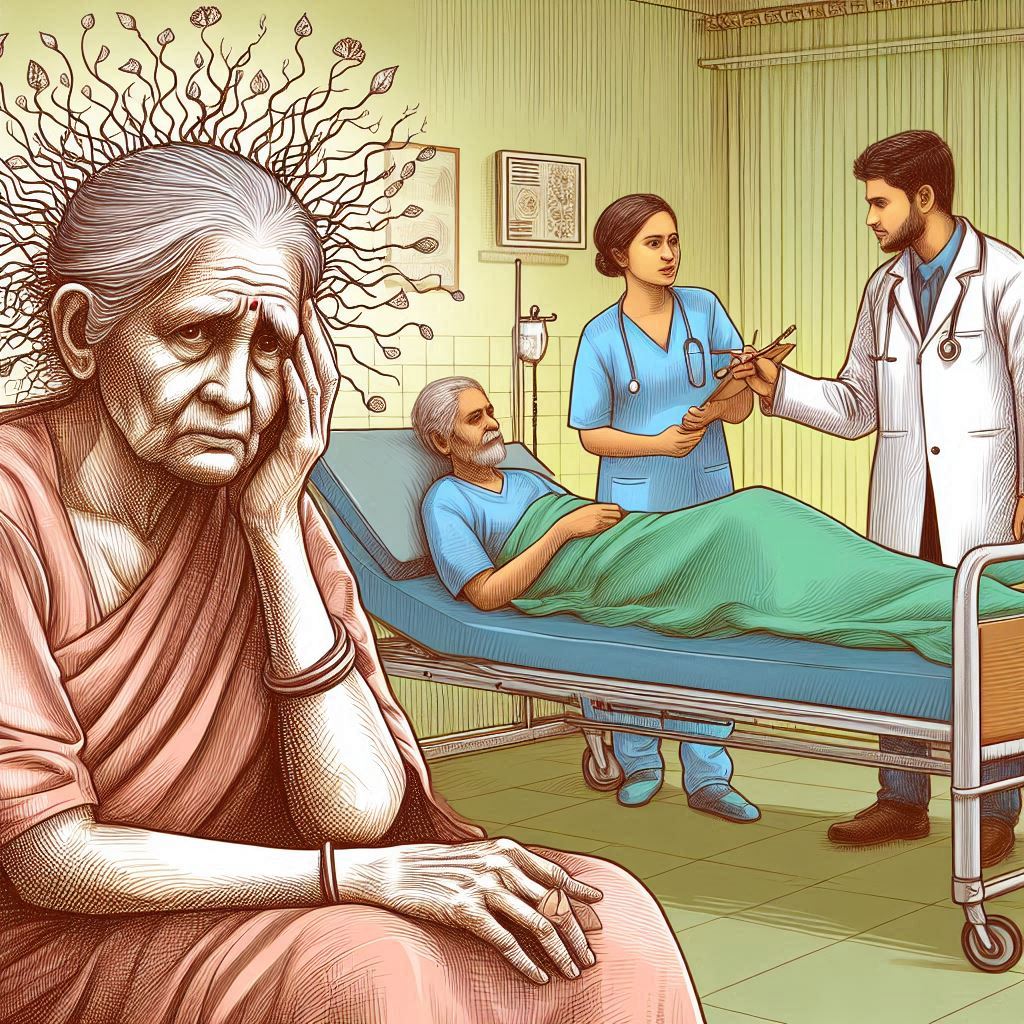
|
|
Obsessive-Compulsive Disorder (OCD)- Persistent obsessions and compulsions can continue into older adulthood, sometimes evolving in response to changing life circumstances. Obsessive-Compulsive Disorder (OCD) is a chronic mental health condition characterized by the presence of obsessive thoughts and compulsive behaviors. Individuals with OCD often experience intrusive, distressing thoughts that lead to repetitive behaviors or mental acts performed to alleviate the anxiety these obsessions provoke. Common obsessions include fears of contamination, harm, or doubt, while compulsions may involve excessive cleaning, checking, or counting. This cycle can significantly disrupt daily life, affecting relationships, work, and overall well-being. Understanding OCD is crucial for both those affected and their loved ones, as early intervention and effective treatment can greatly improve outcomes and quality of life. Agham is committed to supporting individuals with OCD through a comprehensive approach that includes education, therapy, and community engagement. The organization offers workshops that aim to raise awareness about OCD, helping to demystify the condition and reduce stigma. These educational initiatives empower individuals and families to recognize symptoms early and seek appropriate help. Agham also provides access to evidence-based therapeutic interventions, such as Cognitive Behavioral Therapy (CBT), which is particularly effective for OCD treatment. Furthermore, Agham facilitates support groups where individuals can share their experiences and coping strategies, fostering a sense of community and understanding. By equipping individuals with the necessary tools and resources, Agham aims to help those affected by OCD lead more fulfilling and manageable lives, encouraging them to pursue their goals without being hindered by their condition. | 
|
|
Post-Traumatic Stress Disorder (PTSD)- Older adults may experience PTSD due to past traumatic events, and symptoms may persist or resurface with age. Post-Traumatic Stress Disorder (PTSD) is a debilitating mental health condition that can develop after an individual experiences or witnesses a traumatic event, such as warfare, natural disasters, serious accidents, or personal assaults. Symptoms of PTSD often include intrusive memories, flashbacks, nightmares, and severe anxiety, which can lead to avoidance behaviors and emotional numbness. These reactions can significantly disrupt a person’s daily life, relationships, and overall well-being. Understanding PTSD is essential for fostering empathy and support for those affected, as the impacts of trauma can linger long after the event has passed. Early recognition and appropriate treatment are crucial for helping individuals manage their symptoms and reclaim their lives. Agham is dedicated to providing comprehensive support for individuals grappling with PTSD through a multifaceted approach that encompasses education, therapy, and community engagement. The organization offers workshops aimed at raising awareness about PTSD, focusing on its symptoms, triggers, and effective coping strategies. These educational efforts help to destigmatize the condition and encourage individuals to seek help. Agham also provides access to trauma-informed therapy, including Cognitive Behavioral Therapy (CBT) and Eye Movement Desensitization and Reprocessing (EMDR), which are effective in treating PTSD. Additionally, Agham facilitates peer support groups, allowing individuals to connect with others who have shared experiences, fostering a sense of community and understanding. By equipping individuals with the tools and resources they need, Agham empowers those affected by PTSD to navigate their healing journey and enhance their overall quality of life. | 
|
|
Adjustment Disorders- Difficulties in adapting to major life changes such as retirement, loss of a spouse, or declining health can lead to adjustment disorders, characterized by emotional or behavioral symptoms. Adjustment disorders are a group of stress-related conditions that occur when an individual experiences difficulty coping with a significant life change or stressor, such as the loss of a loved one, a divorce, a job loss, or a major move. Symptoms can manifest in various forms, including anxiety, depression, and behavioral issues, often appearing within three months of the triggering event. While these reactions are typically temporary, they can become overwhelming and interfere with daily functioning, relationships, and overall well-being. Understanding adjustment disorders is essential for recognizing that they are a normal response to life’s challenges, and that seeking help is a positive step towards healing and adaptation. Agham is committed to supporting individuals facing adjustment disorders by providing a comprehensive framework of resources and services aimed at facilitating coping and recovery. The organization conducts workshops focused on stress management and coping strategies, helping individuals better understand their emotions and reactions to change. These educational initiatives aim to normalize the experiences of those affected and reduce stigma surrounding mental health challenges. Additionally, Agham offers personalized counseling sessions with trained mental health professionals who can provide tailored support and guidance through the adjustment process. Agham also organizes peer support groups, creating safe spaces for individuals to share their experiences and connect with others undergoing similar transitions. Through these efforts, Agham empowers individuals to navigate life changes more effectively, fostering resilience and promoting overall mental well-being. | 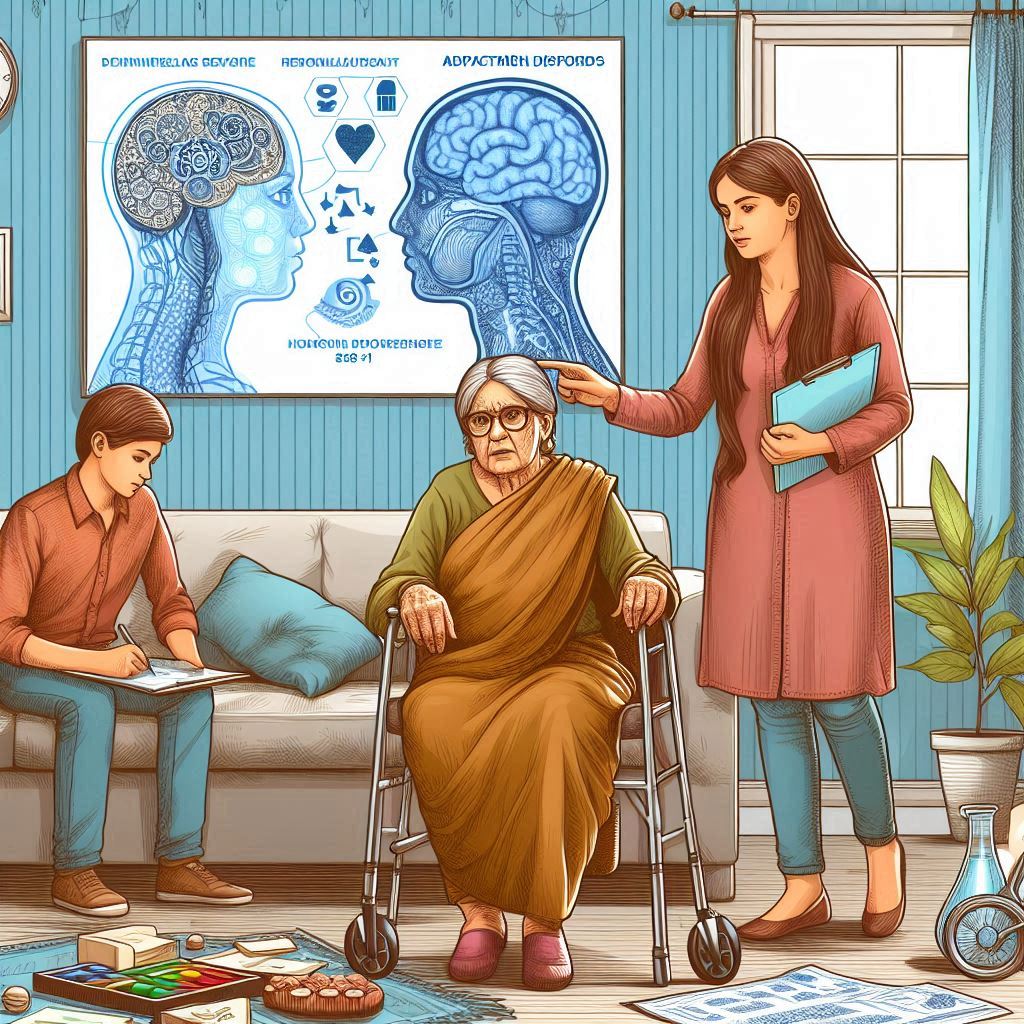
|
|
Personality Disorders- While the presentation might change with age, certain personality disorders (such as Borderline Personality Disorder or Narcissistic Personality Disorder) can persist into older adulthood. Personality disorders are a category of mental health conditions characterized by enduring patterns of behavior, cognition, and inner experiences that significantly deviate from cultural expectations. These patterns can manifest in various ways, affecting how individuals perceive themselves and relate to others. Common personality disorders include borderline, narcissistic, antisocial, and avoidant personality disorders, each presenting unique challenges and interpersonal dynamics. Individuals with personality disorders may struggle with emotional regulation, self-image, and forming healthy relationships, which can lead to significant distress and impairment in daily functioning. Understanding these disorders is crucial for fostering empathy and providing effective support, as many individuals may be unaware of how their behaviors impact themselves and those around them. Agham is dedicated to supporting individuals with personality disorders through a holistic approach that combines education, therapy, and community engagement. The organization offers workshops aimed at increasing awareness about personality disorders, helping individuals and families recognize symptoms and understand the complexities of these conditions. By providing this educational foundation, Agham seeks to reduce stigma and encourage individuals to seek appropriate help. Additionally, Agham offers specialized therapeutic interventions tailored to the needs of those with personality disorders, focusing on developing coping strategies and interpersonal skills. Peer support groups are also an integral part of Agham's initiatives, allowing individuals to connect, share their experiences, and learn from one another. Through these comprehensive efforts, Agham empowers individuals with personality disorders to improve their self-awareness, enhance their relationships, and ultimately lead more fulfilling lives. | 
|
|
Agham InitiativesAgham Initiatives is a dedicated organization focused on enhancing mental health awareness and providing support to individuals facing various mental health challenges. Through a comprehensive approach, Agham aims to address the diverse needs of communities by offering educational programs, therapeutic services, and resources tailored to specific mental health conditions. By raising awareness about mental health issues, the organization seeks to reduce stigma and promote a culture of understanding and acceptance. Their initiatives encompass a wide range of mental health concerns, including anxiety disorders, depression, PTSD, and personality disorders, ensuring that individuals receive the help they need to navigate their unique challenges. To facilitate recovery and empower individuals, Agham Initiatives employs a multifaceted strategy that includes workshops, counseling, and peer support groups. These workshops are designed to educate participants about mental health symptoms, coping mechanisms, and available treatment options, fostering a supportive environment where individuals can learn and share experiences. The organization provides access to qualified mental health professionals who offer personalized counseling tailored to the needs of each client, helping them develop effective strategies for managing their conditions. Furthermore, Agham encourages community engagement through support groups, allowing individuals to connect with others who have shared experiences, thereby fostering a sense of belonging and resilience. Through these efforts, Agham Initiatives strives to empower individuals, enhance their mental well-being, and create a more supportive and informed community. | 
|
|
"Age may bring wisdom, but mental illness can cloud that wisdom. Let us embrace our elders with understanding, compassion, and the support they need to thrive." |
இது தமிழ் அறிமுகம். இங்கே நீங்கள் தமிழ் மொழியில் பின்னணி தகவல்களை வழங்கலாம்.
இங்கே சில சிறப்பம்சங்களை தமிழ் மொழியில் விளக்கப்பட்டுள்ளது.
தமிழ் மொழியில் எங்களை தொடர்பு கொள்ளும் விதம்.